

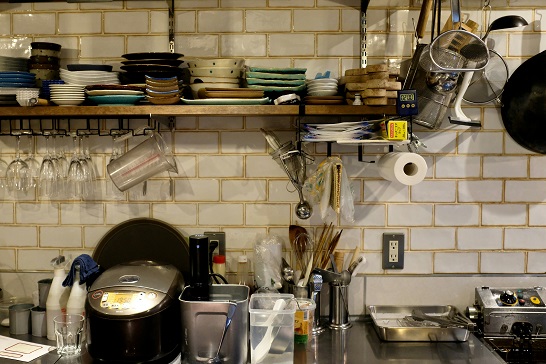
In the fast-paced lives of busy families, the kitchen organization tips often serves as the heart of the home, making kitchen organization an essential consideration. A well-organized kitchen not only streamlines meal preparation but also enhances overall functionality, allowing families to work efficiently in their culinary space. With numerous tasks to juggle daily, such as cooking, cleaning, and family engagement, maintaining a clutter-free environment can significantly alleviate stress levels.
An organized kitchen can be a game-changer, paving the way for quicker meal prep and reduced time spent searching for ingredients or utensils. When everything is neatly arranged and easily accessible, families can enjoy cooking together, promoting a healthy atmosphere and fostering bonds during mealtime preparation. Furthermore, maintaining an organized space lays the foundation for good habits, encouraging everyone to contribute to the upkeep, leading to a sense of shared responsibility within the household.
This blog post will delve into easy-to-implement kitchen organization tips aimed at transforming chaotic kitchens into efficient working spaces. Whether it’s through strategic storage solutions, effective decluttering methods, or meal planning strategies, the following sections will provide practical guidance for busy families looking to optimize their kitchen layout. The focus will be to introduce solutions that cater to a range of kitchen sizes and layouts, thus ensuring that every family can find the tips applicable to their specific needs.
Assessing Your Current Kitchen Layout
Effective kitchen organization starts with a thorough assessment of your current kitchen layout. Identifying areas that contribute to disorganization is crucial for optimizing your space, especially for busy families where efficiency is key. Take the time to carefully evaluate your kitchen setup and make notes on where improvements can be made.
Begin by observing the flow of movement during cooking and meal preparation. Does your family often bump into one another while accessing specific areas? Are drawers and cabinets easily reachable, or are there frequently used items tucked away in inconvenient spots? Understanding how you and your family navigate the kitchen will help you identify trouble areas that may disrupt your cooking process.
Next, create a list of frequently used items, such as cooking utensils, pots and pans, and pantry staples. This inventory will highlight which tools and ingredients you rely on the most during meal preparation. Assess where these items are currently stored. If they are located far from your main cooking area or in hard-to-reach places, you may need to reconsider their placement for improved accessibility.
Consider the concept of the “work triangle,” which emphasizes the importance of keeping the sink, stove, and refrigerator in close proximity. This arrangement enhances efficiency during meal prep and reduces unnecessary movement. If your kitchen layout doesn’t adhere to this principle, it might be time to reconfigure your setup. Rearranging appliances, adjusting shelf heights, or adding storage solutions can significantly improve organization and functionality.
In summary, evaluating your kitchen layout is a vital first step toward effective organization. By identifying trouble areas, listing frequently accessed items, and considering the flow of movement, you can create a kitchen environment that is not only functional but also enjoyable for your family. Proper assessment lays the foundation for effective changes that streamline your cooking experience and reduce chaos in the kitchen.
Decluttering: The First Step to Organization
Decluttering the kitchen is a crucial first step towards achieving an organized and functional space, especially for busy families. A kitchen can accumulate various items over time, making it challenging to navigate and utilize efficiently. To begin the decluttering process, it is essential to approach the task methodically, sorting through items to determine what to keep and what to let go.
Start by categorizing your kitchen items into specific groups. Common categories include utensils, gadgets, pantry items, and appliances. For utensils, gather items like spatulas, measuring cups, and knives. Evaluate each item’s necessity: if it’s frequently used and serves your cooking needs, keep it; if it’s rarely touched or duplicated, consider parting with it.
Next, move on to kitchen gadgets, such as blenders, food processors, and specialty tools. Examine their functionality and relevance to your cooking style. It is highly advisable to retain only those that simplify your culinary tasks or enhance your cooking experience.
The pantry is often a black hole for expired or unneeded items. Systematically go through pantry items and check expiration dates. Donate non-expired items that you know you will not use, ensuring they have a chance to be appreciated by others. Lastly, consider your appliances. Large appliances may require a more thoughtful approach; keep only those which you use regularly and that add value to your kitchen tasks.
It is vital to maintain a mindset of caution while decluttering. As you sort through your kitchen items, aim to keep only what is truly necessary and brings you joy. Ensure that duplicates and unused items make their way out, creating a serene and organized kitchen environment. This decluttering process lays the groundwork for a more manageable and enjoyable cooking experience.
Utilizing Storage Solutions Effectively
In the pursuit of an organized kitchen, particularly for busy families, effective storage solutions play a vital role. With limited space, it is essential to maximize every inch available through strategic storage tools. Various options exist, including shelves, baskets, drawer organizers, and lazy Susans, each serving specific purposes to enhance accessibility and efficiency in the kitchen.
Shelving units can be particularly beneficial in creating additional vertical space. When choosing shelves, consider adjustable options that can accommodate different sizes of items. Utilize open shelves to display frequently used dishes or spices, ensuring they are within easy reach. Closed cabinets, on the other hand, can be used to store less frequently accessed items, thus maintaining a clean and clutter-free aesthetic.
Baskets are another versatile storage solution that can help compartmentalize kitchen items. They can be employed on shelves or in cabinets to group similar items together, such as snacks, utensils, or produce. Labeling baskets increases efficiency, allowing family members to quickly locate the items they need without rummaging through clutter.
Drawer organizers are indispensable for keeping utensils and small kitchen tools in order. By integrating adjustable or pre-designed organizers within drawers, families can create designated spaces for various items. This not only saves time when searching for kitchen tools but also instills a sense of order in the everyday cooking process.
Finally, lazy Susans can significantly aid in accessing items stored in deep cabinets or on countertops. These rotating trays make it easier to reach items tucked away at the back, thus preventing unnecessary frustration. To further optimize their effectiveness, consider placing frequently used condiments or dry goods on these trays.
In summary, effectively utilizing storage solutions in the kitchen is essential for busy families looking to enhance organization. By carefully selecting the right tools, such as shelves, baskets, drawer organizers, and lazy Susans, kitchens can be transformed into functional spaces that promote ease of access and tidiness.
Meal Prep and Planning: A Time-Saving Strategy
Meal prep and planning stand as pivotal strategies for busy families aiming to streamline their kitchen routines. The benefits of organizing meals in advance are multifaceted, significantly reducing both time spent cooking during the week and the stress associated with last-minute meal decisions. By setting aside time to create a structured meal plan, families can ensure nutritious choices while accommodating various schedules.
To embark on an effective meal prep journey, begin by developing a weekly meal plan. This plan should include breakfast, lunch, dinner, and snacks, allowing for a well-rounded approach to nutrition. Start by assessing your family’s preferences and dietary needs. Utilize a calendar to map out meals, ensuring a diverse menu throughout the week to avoid monotony. Parents might involve children in this process, granting them an opportunity to voice their favorites, thus promoting a collaborative environment.
Batch cooking can be instrumental in supporting this meal prep strategy. Allocate specific days to prepare meals in larger quantities, which can later be portioned and refrigerated or frozen for future consumption. Dishes such as soups, casseroles, and stir-fries lend themselves well to batch cooking, making it easy to reheat and serve on busy weeknights. Furthermore, take full advantage of your freezer; investing in airtight containers for storing meals assists in preserving freshness and avoids food waste.
Creating a designated meal prep area in the kitchen can vastly improve efficiency during this process. Ensure that your meal prep space is equipped with essential tools and ingredients readily available, reducing the time spent searching for items. By organizing your kitchen effectively, meal prep becomes a seamless aspect of family life, ultimately translating to healthier eating habits and more quality time together.
Labeling: The Key to Quick Access
In the realm of kitchen organization, labeling plays an indispensable role in fostering efficiency and ease of access. Implementing an effective labeling system ensures that family members can effortlessly locate items, reducing time spent searching through drawers, cupboards, and pantries. By assigning clear labels, not only can you streamline your kitchen’s workflow, but you can also create a visually appealing aesthetic.
There are several methods to adopt when it comes to labeling. A popular choice for many is using a label maker, which allows for uniformity and professionalism. Label makers can be easily customized, enabling families to print labels that detail contents, expiration dates, or specific usage instructions. Alternatively, chalkboard paint is another innovative option. In this scenario, designated areas on containers or shelves can be painted with chalkboard paint, allowing users to write directly on surfaces. This approach is particularly beneficial due to its reusability, as it allows for updates without needing to recreate new labels.
For those looking for a more accessible method, simple sticky notes or washi tape can work wonders. Sticky notes can temporarily mark items or categories, making them an ideal solution for those who may not want to commit to permanent labeling. To apply these methods effectively, start by assessing your pantry items, containers, and shelves. Begin with larger groupings, such as snacks, grains, or baking supplies, and assign each a specific label. For instance, labeling jars with the contents “sugar,” “flour,” or “pasta” ensures that each item is easily identifiable at a glance. Make sure to place labels at eye level when possible, facilitating quick access and navigation in a busy kitchen environment.
Ultimately, effective labeling transcends mere organization; it cultivates a sense of ownership and responsibility among family members for the kitchen space. By investing time in this key aspect of culinary organization, families can enjoy smoother operations and a more enjoyable cooking experience.
Creating Zones in Your Kitchen
Organizing a kitchen can be quite challenging, especially for busy families who require efficiency in their daily tasks. One of the most effective strategies to enhance kitchen organization is the concept of kitchen zoning. This involves designating specific areas in your kitchen for different functions, such as cooking, cleaning, food preparation, and even storage. By creating zones, you can streamline your daily routines and minimize the amount of time spent searching for essential items.
To implement kitchen zoning effectively, start by identifying the main activities that take place in your kitchen. Generally, these activities can be categorized into cooking, cleaning, and food preparation. Once these areas are defined, you can organize your kitchen items accordingly. For instance, keep all cooking utensils, pots, and pans within easy reach of the stove to facilitate a seamless cooking experience. This arrangement not only saves time but also enhances safety by reducing the need to move across the kitchen while handling hot items.
Similarly, the cleaning zone should be conveniently located near the sink and dishwasher, with storage for cleaning supplies and dishware. This could involve using cabinets or shelves that allow quick access to essential cleaning tools, making the task more efficient. The food preparation zone should feature cutting boards, knives, and other prep tools, ideally in proximity to the refrigerator and stovetop. By establishing these specific zones, families can also involve children in kitchen tasks, as each family member will have clear guidelines on where to find and store items.
In summary, creating zones in your kitchen is a crucial step toward enhancing organization and efficiency. By designating specific areas for particular tasks, families can significantly reduce the time spent searching for items and improve their overall kitchen experience.
Involving the Family: Teamwork Makes the Dream Work
Involving every family member in the kitchen organization process is essential for fostering a sense of responsibility and teamwork. When children are engaged in activities at home, they not only learn valuable life skills but also develop a sense of ownership over their environment. This collaborative approach can be particularly beneficial for busy families, as it eases the burden of kitchen upkeep and transforms it into a shared responsibility.
Parents can initiate this process by assigning age-appropriate tasks to their children. Younger children can help with simple activities, such as sorting utensils or placing non-perishable items in designated areas. For example, they might take on the fun task of organizing containers or helping with pantry labeling. As children grow older, they can take on more complex tasks like arranging the refrigerator or managing the compost bin. These activities not only contribute to a more organized kitchen but also instill a sense of accomplishment and independence.
To further facilitate a collective effort, establishing routines can play a critical role. Families can schedule a weekly kitchen clean-up where everyone participates. This dedicated time can be used for deeper organizational tasks, such as decluttering the pantry or deep cleaning appliances. Potentially, a chore chart could be implemented to assign specific tasks, rotating responsibilities among family members. By making these routines fun and engaging, families can ensure that the kitchen remains tidy and organized while also enjoying quality time together.
By leveraging teamwork in the kitchen, busy families can create an environment that not only supports organization but also nurtures collaboration and shared values. Ultimately, these collective efforts can transform the kitchen into a well-organized space that is conducive to cooking and family interaction while fostering a sense of community within the home.
Conclusion: Maintaining an Organized Kitchen
In conclusion, maintaining an organized kitchen is a continuous process that plays a crucial role in a busy family’s daily life. Key points to consider are the importance of establishing functional zones, utilizing storage solutions efficiently, and regularly purging unnecessary items. These practices create a streamlined workspace where family members can efficiently prepare meals and gather together, thus fostering a sense of cooperation and harmony during mealtime.
As families evolve and dynamics shift, it is essential to adapt organization strategies accordingly. Regular assessments of kitchen systems can help identify areas needing improvement or reorganization. For instance, as children grow older, their involvement in cooking may require adjustments in tool accessibility and ingredient storage. Additionally, the introduction of new recipes or cooking styles can prompt the need to reevaluate pantry layout and appliance placement.
Establishing a routine for kitchen upkeep is vital. Whether through weekly clean-ups or seasonal reorganizations, ensuring that the kitchen remains functional and tidy can prevent clutter from accumulating. Families can also engage in collective efforts to reinforce a shared sense of responsibility regarding their kitchen space. This collaborative approach not only maintains order but also cultivates an atmosphere of teamwork and shared accomplishment.
Ultimately, the path to a well-organized kitchen is an ongoing journey that requires commitment and adaptability. By embracing flexibility, family members can consistently create an inviting and efficient cooking environment that suits their ever-changing needs. Thus, the benefits of a well-organized kitchen extend beyond mere aesthetics; it enhances overall family well-being and promotes healthier eating habits for everyone.