

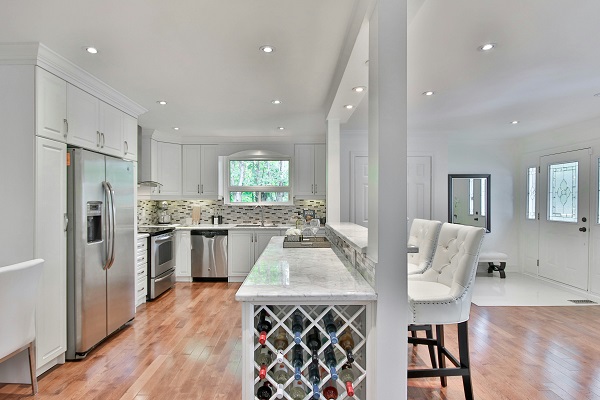
Choosing the right kitchen flooring is a pivotal decision for homeowners, significantly influencing both the aesthetic appeal and functionality of the space. The kitchen often serves as the heart of the home, where meals are prepared, families gather, and memories are created. As such, flooring not only contributes to the overall design but also impacts the performance and maintenance of the kitchen environment.
When selecting kitchen flooring options, several factors should be meticulously considered. Firstly, durability is paramount; kitchen floors endure high foot traffic and are exposed to spills and stains, necessitating materials that can withstand daily wear and tear. Options like ceramic tiles, luxury vinyl, and hardwood each offer unique levels of durability and longevity, making them popular choices among homeowners.
Another critical aspect is the aesthetic compatibility of the flooring with the kitchen design. The flooring should harmonize with the cabinetry, countertops, and overall decor, enhancing the visual appeal of the space. For instance, light-colored flooring can make a small kitchen feel larger, while darker shades may impart a sense of warmth and coziness.
Maintenance requirements also play a crucial role in flooring selection. Busy kitchens often require materials that are easy to clean and resistant to staining. Homeowners must evaluate their lifestyle and determine how much time they’re willing to invest in upkeep. For example, while natural stone flooring might be beautiful, it may necessitate more maintenance than vinyl or laminate options.
Overall, selecting kitchen flooring is a multifaceted decision that involves careful consideration of aesthetics, functionality, and maintenance. By understanding the unique characteristics of various flooring types, homeowners can make informed choices that align with their preferences and lifestyle needs.
Popular Kitchen Flooring Materials
When it comes to kitchen flooring, selecting the right material is crucial for both functionality and aesthetics. Many homeowners consider several options, each with its own unique characteristics that suit various preferences and requirements.
Hardwood flooring is a classic choice known for its warmth and elegance. Available in a range of species, hardwood floors can add significant value to a home. They are durable and can be refinished to maintain their beauty; however, they may be susceptible to moisture damage, making proper maintenance essential.
Tiles, particularly ceramic or porcelain, are a popular option due to their versatility and durability. They come in numerous styles and colors, allowing for creative design possibilities. Tiles are water-resistant, making them ideal for kitchens; however, they can be cold underfoot and may require grout maintenance over time.
Laminate flooring is often favored for its affordability and ease of installation. This option mimics the appearance of wood or stone but is made from composite materials. It is resistant to scratches and dents, making it suitable for high-traffic areas. However, laminate can be less durable than other flooring options when exposed to excessive moisture.
Vinyl flooring has gained popularity due to its resilience and low maintenance requirements. Modern vinyl options can convincingly replicate the look of natural materials while being inherently waterproof. This makes them an excellent choice for kitchens, though they may fade with prolonged sun exposure.
Lastly, concrete flooring is becoming increasingly popular for its industrial feel and extreme durability. It can be stained or stamped to create a wide variety of styles. While concrete is robust and easy to clean, it may lack the warmth or comfort of other flooring types, often being perceived as cold and hard.
Hardwood Flooring: Pros and Cons
Hardwood flooring is often celebrated for its timeless aesthetic and robust durability, making it a popular choice in various areas of the home, including the kitchen. However, like any flooring option, it comes with its own set of advantages and disadvantages that must be carefully considered.
One of the most significant advantages of hardwood flooring is its durability. When properly maintained, it can last for decades, with many even resurfacing old hardwood to restore its original glory. This longevity is complemented by its appeal; hardwood adds warmth and a classic beauty to kitchen spaces, often increasing the property’s overall value. The wide array of styles, colors, and finishes available allows homeowners to customize their kitchen’s look to align with personal preferences and design trends.
However, hardwood flooring is not without its drawbacks. One notable concern is its susceptibility to water damage. Kitchens, with their high moisture levels from cooking and cleaning, can pose a risk to hardwood floors. If spills are not promptly cleaned, they can lead to warping or staining, which may compromise the integrity of the flooring. Additionally, hardwood can be prone to scratches and dents caused by heavy appliances or dropped utensils, necessitating regular maintenance to keep it looking its best.
Maintenance requirements also add to the complexity of choosing hardwood flooring for the kitchen. This type of flooring requires periodic refinishing to maintain a pristine appearance, and it may not be the best option for families with young children or pets that might cause damage. Therefore, weighing the benefits of elegance and durability against the risks of water damage and maintenance is crucial in making an informed decision.
Tile Flooring: Pros and Cons
Tile flooring is a popular choice in kitchen design due to its remarkable durability and resistance to moisture and spills. One of its primary advantages is its longevity, as high-quality tiles can withstand heavy foot traffic, making them ideal for busy kitchens. In addition to their durability, tile materials such as ceramic and porcelain are less prone to scratches and dents, further prolonging their lifespan.
Cleaning tile flooring is relatively straightforward, requiring little more than regular sweeping and mopping to maintain cleanliness. Unlike some other flooring materials, tile does not harbor allergens or odors, contributing to a healthier kitchen environment. As a result, tile flooring is often regarded as an excellent choice from a hygiene perspective, particularly in areas prone to spills and messes.
Moreover, tile offers an extensive variety of designs, colors, and patterns, enabling homeowners to customize their kitchen aesthetics. Whether one prefers classic, modern, or rustic styles, tile flooring can cater to diverse tastes, enhancing the overall ambiance of the kitchen. Additionally, due to its heat resistance, tile can be installed near ovens and stoves without concern for damage.
However, tile flooring does have its drawbacks, particularly when it comes to comfort. The hard surface may be difficult to stand on for prolonged periods, potentially leading to fatigue during cooking or meal preparation. Furthermore, in colder climates, tile floors can become uncomfortably chilly underfoot. Homeowners may wish to consider heating options underneath the tiles to combat this issue, adding an extra layer of comfort while enjoying the aesthetic and functional benefits of tile flooring.
Vinyl Flooring: Pros and Cons
Vinyl flooring has gained popularity as a practical flooring option for kitchens due to its affordability and design versatility. One of the most notable advantages of vinyl is its cost-effectiveness compared to other flooring materials. Typically, the price of vinyl flooring falls within a budget-friendly range, making it accessible for homeowners looking to renovate without incurring heavy expenses.
Additionally, vinyl flooring is available in a wide array of designs, colors, and textures, mimicking the appearance of natural materials such as wood or stone. This adaptability allows homeowners to achieve their desired aesthetic without the higher costs associated with authentic materials. The various styles available enable a seamless integration of vinyl into diverse kitchen themes, from contemporary to traditional.
Another significant advantage of vinyl is its ease of installation. Many vinyl flooring products are designed to be user-friendly, allowing for straightforward DIY installations. This can save homeowners additional labor costs if they choose to undertake the project themselves. Options like peel-and-stick vinyl tiles or click-lock planks simplify the process further, making it an attractive choice for those looking to achieve a new look rapidly.
In terms of maintenance, vinyl flooring requires minimal effort to keep it looking pristine. Regular cleaning involves sweeping and occasional mopping with a damp cloth, which can be accomplished using standard household cleaning products. However, it is essential to note that while vinyl is water-resistant, it is not entirely waterproof, which may moderate its lifespan depending on the kitchen’s moisture levels.
On the other hand, while vinyl flooring is durable, it may not possess the same longevity as other more robust flooring options such as ceramic tile or hardwood. It is prone to scratches and dents, which may affect its appearance over time. Understanding these pros and cons is crucial for homeowners considering vinyl flooring to make an informed choice in line with their kitchen needs.
Laminate Flooring: Pros and Cons
Laminate flooring has become an increasingly popular choice for homeowners seeking a cost-effective alternative to traditional hardwood and tile floors. One of the main advantages of laminate flooring is its affordability. Typically, it is much less expensive than solid wood or ceramic tiles, making it an attractive option for those on a budget. Additionally, laminate options are available in a wide variety of styles and finishes, allowing homeowners to achieve the desired aesthetic without breaking the bank.
Installation ease is another considerable advantage of laminate flooring. Most laminate products come with a tongue-and-groove design that allows for straightforward “click” installation without the need for glue or nails. This makes the installation process manageable for DIY enthusiasts, reducing labor costs. Furthermore, laminate flooring is known for its resistance to scratches and stains, thanks to a protective wear layer, making it suitable for busy households with pets or children.
However, while laminate flooring has several advantages, it is important to consider its limitations. One significant drawback is its performance in moisture-prone environments. Areas that experience high humidity, such as kitchens and bathrooms, may not be the best places for laminate, as prolonged exposure to water can lead to warping and damage. Furthermore, laminate cannot be refinished like hardwood, meaning that once it is worn or damaged, the only option is replacement.
In addition, while laminate can effectively mimic the appearance of natural materials, it lacks the genuine texture and feel of real wood or stone. Therefore, those seeking authenticity in their flooring may find laminate less satisfying. Assessing both the pros and cons of laminate flooring is essential in determining if it aligns with specific needs and conditions in a home.
Concrete Flooring: Pros and Cons
Concrete flooring has emerged as a highly favored choice for modern kitchen designs, seamlessly blending functionality with aesthetic appeal. One of the primary advantages of concrete flooring is its unparalleled durability; it can withstand heavy foot traffic, impacts, and the rigors of daily kitchen activity without showing significant wear and tear. This resilience makes it a perfect candidate for any household, particularly for families or those who host gatherings frequently.
Furthermore, concrete flooring is exceptionally easy to clean. A simple sweeping and mopping are often sufficient to maintain its pristine appearance. Unlike other flooring materials that may harbor dirt and bacteria in crevices, concrete’s smooth surface facilitates effortless maintenance, contributing to a more hygienic kitchen environment.
Additionally, concrete offers a variety of design options. Homeowners can choose from a wide range of colors, finishes, and textures, allowing for customized looks that complement various kitchen styles, from rustic to contemporary. Staining, polishing, or even stamping the concrete provides further versatility, giving homeowners the ability to express their individual tastes without compromising practicality.
However, there are potential downsides to be aware of when considering concrete flooring for kitchens. One notable concern is its coldness underfoot, which can be uncomfortable, especially in colder climates. Moreover, while concrete is generally highly durable, it can be prone to cracking if not installed properly or if it experiences significant shifts in temperature.
In addition to the physical attributes, concrete flooring can also be a considerable investment upfront. Although it may save money over time due to its longevity and low maintenance requirements, the initial costs can be higher than softer flooring alternatives. Therefore, it is essential to weigh these pros and cons carefully to determine if concrete flooring aligns with your kitchen’s needs and your overall design vision.
Factors to Consider When Choosing Kitchen Flooring
Selecting the right flooring for your kitchen is crucial, as it significantly impacts the overall design and functionality of the space. There are several important factors to consider that will guide your decision-making process effectively.
First and foremost, consider the style of your kitchen. The flooring should complement the existing design elements, whether your kitchen has a modern, rustic, or traditional aesthetic. For instance, sleek tiles or polished concrete may suit contemporary kitchens, while hardwood or natural stone can enhance a rustic ambiance.
Budget is another key factor. Kitchen flooring options vary widely in cost, making it vital to establish a budget early in the selection process. While high-end materials may offer durability and aesthetic appeal, they may not be feasible for every homeowner. On the other hand, more economical solutions, such as vinyl or laminate, can also provide attractive alternatives without breaking the bank.
Maintenance requirements must also be taken into account. Some materials require regular upkeep, like sealing or polishing, while others, such as vinyl or linoleum, can offer lower maintenance demands. Assess your lifestyle and cooking habits; if you frequently entertain or have children or pets, consider flooring options that are both durable and easy to clean.
Climate can also influence your choice of flooring. For instance, if you live in a humid area, materials like bamboo or engineered hardwood may be appropriate as they are less likely to warp compared to solid hardwood.
Lastly, evaluate your lifestyle needs. If your kitchen serves as a high-traffic area, flooring that withstands wear and tear is essential. Ultimately, taking the time to consider these various factors will help you select the most suitable kitchen flooring option for your home.
Conclusion: Choosing the Right Flooring for Your Kitchen
In conclusion, selecting the appropriate flooring for your kitchen is a multifaceted decision that hinges on various factors, including style, durability, maintenance, and budget. The kitchen is often considered the heart of the home, and the flooring plays a critical role in both its functionality and aesthetic appeal.
The best kitchen flooring options available today include hardwood, laminate, tile, vinyl, and natural stone, each with its own unique benefits and drawbacks. Hardwood offers timeless beauty but may require more upkeep. Laminate presents a cost-effective alternative, simulating the look of wood while offering enhanced durability. On the other hand, tile and natural stone are known for their resilience and variety of designs, suitable for high-traffic areas and moisture-prone environments. Vinyl flooring provides excellent water resistance and ease of maintenance, making it a practical choice for busy households.
When considering the right flooring for your kitchen, it is essential to evaluate your specific needs. Are you looking for a stylish appearance, long-lasting durability, or minimal maintenance? Think about your family’s lifestyle, as well as how frequently you entertain or cook, which may influence your decision. Additionally, the overall design of your home should guide your choice, ensuring that the kitchen flooring complements existing decor and enhances the space.
Ultimately, by carefully weighing the characteristics of each flooring type against your personal preferences and kitchen usage, you can make an informed decision. Invest the necessary time into assessing these options, as the right flooring will contribute significantly to your kitchen’s comfort, functionality, and visual appeal for years to come.