

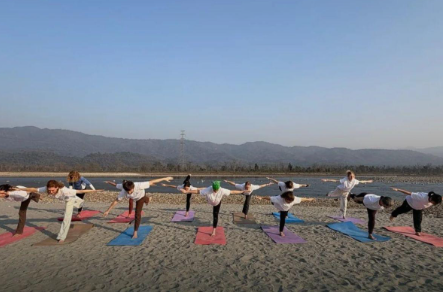
Many individuals doing research about yoga teacher training focus on the curriculum to determine which styles of yoga are taught, who the teachers are and what type of certification is offered. It is important to understand the curriculum, but daily life also plays a big part in shaping the experience, especially during a month-long, residential course. Daily life includes: sleep, food, and how your time is structured.
This guide sheds light on accommodation, food and the kind of daily schedules you can expect during 200 hour yoga teacher training in India, so you can come prepared and raise better questions during your consideration process.
Why Daily Life Becomes More Important
Teacher training can take both a mental and a physical toll. It includes long hours of practice and the absorption of new, often philosophical, concepts. Add to this, the fact that training is often taken outside of one’s home country, and it’s easy to see how fatigue can wear down even the most eager of students.
Good schools work to counter this and help integrate the lifestyle practices into daily living. Having a good understanding of the typical living conditions gives you the opportunity to assess if the school takes the whole process seriously, and not just the teaching of the curriculum.
What to Expect from Accommodation
Most residential trainings include the cost of accommodation in the fee, and provide accommodation on the training premises or nearby. There are a few options available.
Shared accommodation
This is the most common and affordable option and provides the opportunity to make new friends. However, you have to be flexible and tolerant towards other students as far as privacy and noise is concerned.
Private rooms
Some schools offer private rooms for an additional cost. This is worth the expense for those who study and rest best in private, or for those who are light sleepers and need quiet.
Facilities to check
Facilities vary widely between programs. Ask specific questions rather than relying on a photo gallery:
- Is hot water available, especially in cooler months?
- Is there reliable Wi-Fi, and how strong is it in the rooms?
- Are rooms cleaned regularly, and is laundry service available?
- Is there a mosquito net or screens, and fans or air conditioning for warmer seasons?
- How far is the accommodation from the practice hall?
- Are there quiet areas for self-study or rest?
Expect comfortable but fairly simple living. Many schools deliberately keep things uncluttered to encourage focus. If you have mobility concerns, ask about stairs and room location in advance.
Meals: Simple, Regular, and Mostly Vegetarian
Food is plentiful and there are 3 meals a day (or more!) but can be repetitive as it is mainly vegetarian. Most of the food is cooked on-site. Once or twice a week, students get a day off and are on their own for meals. Keep this in mind if you have dietary concerns.
How it is usually done
Meals at yoga programs in India are usually vegetarian and prepared fresh, often following a yogic or Ayurvedic-inspired approach that favors lighter, easily digested food. A typical day might include:
- Breakfast after morning practice, often something light such as porridge, fruit, or lightly spiced dishes
- Lunch, usually the largest meal, with rice or flatbread, lentils, vegetables, and salad
- Dinner, generally lighter, served early enough to avoid heaviness before sleep
Tea or herbal drinks may be offered between sessions. Alcohol, tobacco, and non-vegetarian food are typically not part of the program, and many schools ask students to refrain from them on-site.
Dietary needs
If you are vegan, gluten-free, or have allergies, ask directly whether the kitchen can accommodate you and how. Do not assume. A good school will give you a clear answer rather than a vague reassurance.
Adjusting to the change
Food in India can be spicier or more oil-based than what you are used to, even in simplified yogic cooking. Some trainees experience a short adjustment period. A few practical habits help:
- Drink plenty of filtered or purified water
- Eat slowly and avoid overloading at the first few meals
- Carry familiar snacks, such as nuts or dried fruit, for the early days
- Tell the staff if something does not agree with you
Always speak with a doctor before travel if you have a digestive condition or a medical diet.
Study Schedules: How the Day Is Structured
Residential training usually follows a consistent daily rhythm. The exact timing differs by school, but the overall pattern is similar across many programs.
A sample day
| Time | Activity |
|---|---|
| Early morning | Cleansing practices, pranayama, or meditation |
| Morning | Asana practice and alignment |
| Mid-morning | Breakfast and rest |
| Late morning | Philosophy or anatomy lecture |
| Early afternoon | Lunch and free time |
| Afternoon | Teaching methodology, practicum, or self-study |
| Late afternoon | Gentle practice or restorative session |
| Evening | Dinner, reflection, or optional meditation |
Days commonly start before sunrise and finish with early bedtimes. For those used to late nights, this can feel like the hardest adjustment of all.
Questions to Ask Before You Enrol
Gather as much information as possible before you make a commitment. If you cannot speak to someone in person, ask for details in writing. Be persistent: not all schools are equally transparent. Some important points to consider:
- Can I see a sample daily timetable?
- What types of rooms are available, and what is included in the fee?
- Are all meals included, and what does a typical menu look like?
- How are dietary requirements handled?
- How many students are in each batch?
- How many rest days are scheduled, and what is the policy if I feel unwell?
- What support is available for health concerns?
Clear, consistent answers usually signal a well-organized program.
Preparing Yourself
A little preparation goes a long way:
- Begin a regular practice several weeks before arrival, so your body is not meeting full-day training cold.
- Adjust your sleep gradually toward an earlier schedule.
- Pack sensibly, with comfortable clothing, a yoga mat if recommended, a water bottle, any personal medication, and layers for changing temperatures.
- Stay flexible mentally. Things may not match your home routine, and that is part of the learning.
Final Thoughts
The quality of a training course is determined by many things beyond just a course syllabus, and simple, comfortable facilities and nourishing meals can enrich the learning experience. When researching Best Yoga Teacher Training in India, one should pay attention to the mundane details, especially if you are researching programs for the first time, or if you are comparing several programs. The details provide the opportunity to choose with confidence.
People should have realistic expectations when researching yoga teacher training programs, and they should ask questions and give themselves adequate time to adjust to new surroundings. A properly chosen program should not only teach participants how to teach yoga, but should enrich participants with learning tools to help construct supportive, daily habits that help enrich a personal practice of yoga.