
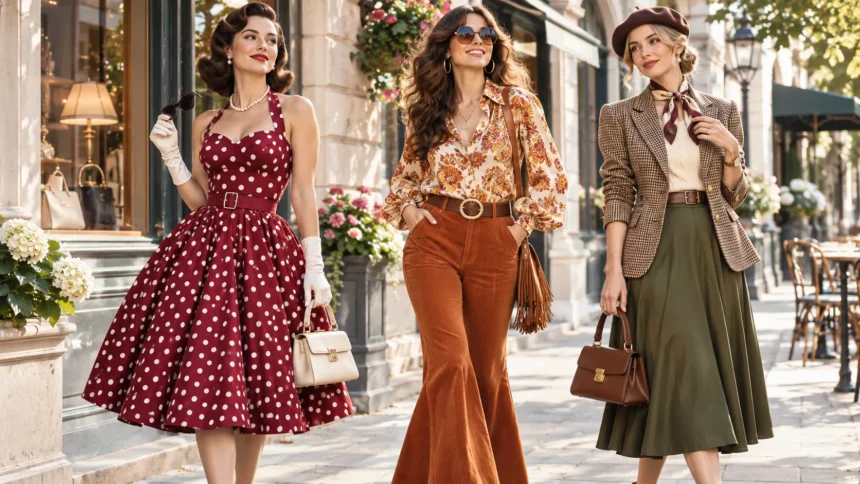
Vintage inspired outfits bring the charm of past fashion eras into modern wardrobes. From elegant 1950s dresses to relaxed 1990s denim, retro clothing offers countless ways to create interesting everyday looks. These styles combine nostalgic details with practical pieces that feel comfortable and relevant today.
You do not need an entire wardrobe of authentic vintage clothing to enjoy this fashion aesthetic. A few thoughtfully chosen items, such as high-waisted trousers, patterned blouses, or classic accessories, can transform simple outfits. The key is combining recognizable vintage elements with modern basics that suit your personal preferences.
Whether you love romantic dresses, structured tailoring, colorful prints, or casual retro streetwear, there are many ways to explore vintage fashion. This guide shares fresh outfit ideas, styling techniques, and practical shopping tips. You will also learn how to mix different decades without making your clothing feel like a costume.
What Are Vintage Inspired Outfits?
Vintage inspired outfits are clothing combinations influenced by styles that were popular in earlier decades. They often feature recognizable silhouettes, fabrics, patterns, and accessories associated with historical fashion trends. Unlike authentic vintage clothing, these looks can include newly manufactured garments designed with retro details.
Popular vintage influences range from the polished tailoring of the 1940s to the colorful fashion of the 1970s. Each period offers distinctive styling elements that can inspire contemporary wardrobes. Understanding these influences helps you choose pieces that communicate a particular aesthetic while maintaining your individual style.
The appeal of retro inspired clothing comes from its versatility and creative possibilities. A modern outfit might combine a vintage-style blouse with contemporary jeans and comfortable shoes. This approach makes historical fashion influences more accessible without requiring strict attention to period-specific clothing rules.
Why Vintage Fashion Is Still Popular
Vintage fashion continues to inspire modern clothing because many classic silhouettes remain appealing across changing trends. Tailored jackets, pleated skirts, and simple cardigans can work in numerous settings. Their familiar designs allow people to explore nostalgic fashion while building practical wardrobes.
Another attraction is the opportunity to create outfits that feel more individual. Mixing pieces from different decades allows for combinations that may not appear in current mainstream collections. Personal touches, including accessories and fabric choices, can make familiar clothing styles feel distinctive.
Interest in secondhand shopping also contributes to the visibility of vintage fashion. Thrift stores, resale platforms, and clothing exchanges offer opportunities to discover older garments. Choosing existing clothing can extend its useful life, although the environmental impact depends on purchasing habits and garment care.
How to Build a Vintage Inspired Wardrobe
Building a vintage inspired wardrobe starts with identifying the silhouettes and decades that interest you most. Some people prefer feminine dresses and fitted cardigans, while others enjoy loose denim and structured jackets. Selecting a few consistent influences makes it easier to create outfits that work together.
Begin with versatile basics that can support several retro combinations. High-waisted trousers, straight-leg jeans, button-down shirts, midi skirts, and simple knitwear provide useful foundations. Neutral colors allow patterned accessories and statement garments to stand out without requiring an extensive clothing collection.
Add distinctive vintage-style pieces gradually rather than replacing your entire wardrobe. A patterned scarf, cropped cardigan, or classic leather-style handbag can change the character of an existing outfit. Focus on comfort, practical use, and personal enjoyment when deciding which pieces deserve a place in your collection.
1920s Inspired Outfits With Modern Appeal
The 1920s are often associated with dropped waistlines, relaxed silhouettes, decorative details, and Art Deco influences. Modern outfits can borrow these elements without recreating historical eveningwear. A loose-fitting dress with simple geometric jewelry offers an accessible interpretation of this recognizable fashion period.
For daytime dressing, consider a comfortable straight-cut dress paired with classic flats and a lightweight cardigan. Subtle embroidery or decorative beading can introduce an additional nostalgic touch. Keeping accessories understated helps the outfit remain practical for casual events, lunches, and everyday activities.
Evening looks can incorporate velvet textures, geometric patterns, or a decorative clutch bag. A simple dress paired with vintage-inspired earrings creates an elegant combination without excessive embellishment. Choosing one or two period details is usually enough to communicate the intended aesthetic.
1940s Vintage Inspired Outfits
Fashion from the 1940s often featured structured shoulders, defined tailoring, practical separates, and modest decorative details. Modern interpretations can highlight these elements through tailored jackets, midi skirts, and button-front blouses. The result is a polished look that works well for professional and casual settings.
A fitted blazer paired with high-waisted trousers creates an easy outfit inspired by this decade. Add a simple blouse and low-heeled shoes for a classic finish. Earth tones, navy, cream, and burgundy can reinforce the traditional appearance while remaining easy to coordinate.
For a softer look, try a tea dress with a small floral print and a lightweight cardigan. Simple leather accessories and comfortable shoes complete the combination. These vintage outfit ideas demonstrate how historical tailoring and practical clothing can work comfortably within a modern wardrobe.
1950s Inspired Outfits for Everyday Style
The 1950s remain a popular source of inspiration for full skirts, fitted cardigans, shirt dresses, and coordinated accessories. These recognizable pieces can create playful or polished outfits depending on their styling. Modern versions often simplify the details to make them suitable for everyday wear.
A midi-length circle skirt paired with a plain knit top provides a classic retro combination. Comfortable flats or low heels can complement the shape without making the outfit overly formal. Choose solid colors for a minimal appearance or small prints for additional visual interest.
Another practical choice is a fitted cardigan worn with straight-leg trousers and simple loafers. This combination references mid-century casual fashion while remaining easy to wear. A small handbag or patterned scarf adds character without requiring a completely coordinated vintage ensemble.
1960s Inspired Outfits With a Playful Twist
The 1960s introduced several recognizable fashion directions, including mod clothing, bold geometric patterns, and streamlined dresses. Modern retro looks often borrow bright colors, short jackets, and distinctive accessories from this period. These elements can make simple outfits feel energetic and visually interesting.
A shift dress paired with ankle boots creates a straightforward outfit inspired by 1960s fashion. Choose a geometric print or contrasting color combination to emphasize the period influence. For cooler weather, add a structured coat that complements the dress without competing with its pattern.
Alternatively, combine cropped trousers with a fitted knit top and a simple jacket. A small shoulder bag or rounded sunglasses can complete the look. This approach offers a subtle retro aesthetic that feels suitable for casual outings, creative workplaces, and weekend plans.
1970s Vintage Inspired Outfits
The 1970s are associated with flared trousers, relaxed tailoring, earthy colors, and expressive prints. Fashion from this period included everything from bohemian clothing to disco-inspired styles. Modern interpretations can focus on comfortable fabrics and recognizable shapes without copying an entire historical outfit.
For a casual daytime look, wear flared jeans with a fitted top and a lightweight jacket. Platform-style shoes or simple ankle boots can complement the trousers. Colors such as rust, olive, cream, and brown create a cohesive palette associated with many 1970s looks.
A printed maxi dress offers another easy way to explore retro fashion trends. Pair it with a simple belt and understated accessories for a relaxed appearance. When the dress includes bold patterns, keeping the remaining pieces minimal helps maintain visual balance.
1980s Inspired Outfits That Feel Fresh
The 1980s introduced memorable fashion elements such as oversized blazers, strong shoulders, colorful knitwear, and statement accessories. Contemporary styling can borrow these details while keeping the overall appearance simple. One bold item often provides enough visual impact for a recognizable retro look.
Try an oversized blazer with straight-leg jeans and a basic T-shirt for a casual outfit. Roll the sleeves slightly and choose comfortable sneakers or loafers. This combination blends structured 1980s inspiration with modern wardrobe staples for an easy everyday appearance.
For a more colorful option, combine a bright sweater with tailored trousers and a simple handbag. Accessories can introduce additional personality through geometric shapes or contrasting colors. Limiting the number of statement pieces helps the outfit feel intentional rather than overly busy.
1990s Inspired Outfits for Casual Days
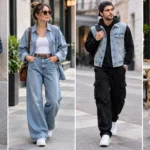
The 1990s remain a useful reference for relaxed denim, slip dresses, minimal styling, and casual layered clothing. Many pieces associated with this decade already appear in modern wardrobes. This makes the aesthetic particularly accessible for people who prefer uncomplicated everyday outfits.
A plain T-shirt tucked into straight-leg jeans creates a simple starting point. Add a lightweight jacket, sneakers, and a compact shoulder bag for a nostalgic finish. Neutral colors work well, although darker denim and subtle graphic details can introduce extra personality.
Another option is a slip-style midi dress worn over a fitted T-shirt. Pair the combination with comfortable boots or casual sneakers. This layered approach offers a practical interpretation of 1990s fashion that can be adjusted for different seasons and personal preferences.
Casual Vintage Inspired Outfits for Everyday Wear
Casual vintage inspired outfits work best when they combine familiar wardrobe basics with a few recognizable retro elements. You do not need formal dresses or elaborate accessories to create a nostalgic appearance. Simple combinations can feel distinctive through their silhouettes, textures, and finishing details.
Consider pairing high-waisted jeans with a tucked-in striped top and a lightweight cardigan. Add loafers or canvas sneakers for comfortable everyday movement. A classic belt or small scarf can introduce a decorative element while keeping the outfit suitable for errands and relaxed outings.
Another easy combination includes wide-leg trousers, a simple button-down shirt, and minimal accessories. Choose soft cotton or linen fabrics for a comfortable feel. This approach draws inspiration from earlier decades while maintaining the flexibility expected from modern casual clothing.
Vintage Inspired Outfits for Work
Vintage-inspired workwear can bring personality to professional outfits without sacrificing practicality. Tailored trousers, structured blazers, midi skirts, and classic blouses provide useful starting points. These items reference several historical fashion periods while remaining suitable for many contemporary workplaces.
A high-waisted trouser suit paired with a simple blouse creates a polished combination. Add loafers, ankle boots, or other footwear appropriate for your workplace. Subtle accessories, including a small watch or structured handbag, can reinforce the classic appearance.
For a softer office look, pair a pleated midi skirt with a fine-knit sweater. A tailored jacket adds an extra layer when needed. Choose colors and patterns that complement your workplace dress code while allowing enough flexibility to express your preferred retro aesthetic.
Romantic Vintage Inspired Outfits
Romantic vintage clothing often features delicate prints, flowing fabrics, lace details, and soft colors. These elements draw inspiration from several periods rather than one specific decade. Modern interpretations can combine gentle textures with practical shapes to create outfits for casual or special occasions.
A floral midi dress paired with a lightweight cardigan creates an easy romantic look. Ballet flats or simple ankle boots provide comfortable finishing options. Small accessories, such as a ribbon or understated necklace, can add detail without overwhelming the clothing.
Another option is a lace-trimmed blouse worn with a flowing skirt or relaxed trousers. Cream, dusty blue, pale pink, and muted green can create a soft color palette. Combining decorative fabrics with simple modern pieces helps keep romantic vintage inspired outfits wearable.
Vintage Inspired Outfits for Different Seasons
Seasonal dressing provides opportunities to adapt retro fashion influences to changing temperatures and activities. Lightweight fabrics, layered knitwear, and structured outerwear can all support vintage styling. Selecting practical materials allows you to enjoy nostalgic clothing throughout the year without compromising everyday comfort.
During spring and summer, consider cotton dresses, linen trousers, short-sleeved blouses, and lightweight skirts. Floral patterns and soft colors can create a fresh appearance. Comfortable sandals, flats, or canvas sneakers complete outfits designed for warmer conditions and relaxed activities.
Autumn and winter offer opportunities to introduce wool coats, corduroy trousers, knit cardigans, and patterned scarves. Layering a turtleneck beneath a structured jacket creates a classic combination. Boots and weather-appropriate accessories can reinforce the retro appearance while providing necessary warmth.
How to Mix Vintage and Modern Clothing
Combining vintage and modern clothing creates outfits that reflect personal style rather than a strict historical period. The simplest approach is selecting one noticeable retro piece and building around it. This keeps the overall combination balanced while allowing distinctive clothing details to remain visible.
For example, pair a vintage-style printed blouse with contemporary straight-leg jeans and simple sneakers. Alternatively, wear tailored retro trousers with a modern fitted T-shirt. Both combinations introduce historical fashion influences without making the outfit feel overly formal or theatrical.
Experimenting with contrasting textures can also create interesting results. Structured jackets work well with soft knitwear, while flowing skirts can complement simple modern tops. Focus on coordinating colors, proportions, and practical comfort rather than following strict rules about which decades belong together.
Best Accessories for Vintage Inspired Outfits
Accessories are among the easiest ways to introduce vintage character into an existing wardrobe. Scarves, classic handbags, belts, hats, and understated jewelry can reference different fashion periods. These small additions allow you to experiment without purchasing numerous new garments.
A patterned silk-style scarf can complement a simple blouse or knit sweater. Structured handbags and classic watches work well with polished retro outfits. Rounded sunglasses, decorative hair clips, and geometric jewelry offer additional options for creating recognizable period influences.
Choose accessories that support the clothing rather than compete with every detail. A bold printed dress may need only a simple handbag and comfortable shoes. By contrast, a neutral outfit can accommodate a more noticeable scarf, belt, or statement accessory.
How to Shop for Vintage Inspired Clothing
Vintage-inspired clothing is available through secondhand stores, resale platforms, independent boutiques, and mainstream retailers. Authentic vintage garments offer original period construction, while modern reproductions may provide different sizing and care options. Both approaches can work depending on your preferences and shopping priorities.
When purchasing secondhand clothing, inspect seams, closures, fabric condition, and garment measurements. Older sizing labels may differ significantly from contemporary measurements. Reviewing actual dimensions is often more useful than relying on the size printed inside a garment.
Consider how each potential purchase will work with clothing you already own. A distinctive item offers better practical value when it can support several outfits. Choosing versatile pieces and maintaining them properly can help create a more thoughtful vintage inspired wardrobe.
Common Vintage Styling Mistakes to Avoid
One common mistake is combining too many recognizable period details without considering the overall result. Strong prints, unusual accessories, and dramatic silhouettes can compete for attention. Selecting a main vintage influence often creates a more cohesive outfit while preserving room for creativity.
Another mistake is prioritizing appearance over comfort and practical use. Clothing that restricts movement or requires constant adjustment may not suit everyday activities. Choose fabrics, shoes, and garment shapes that work with your routine rather than following historical styling details too strictly.
Finally, avoid assuming that vintage fashion requires expensive authentic garments or a perfectly coordinated collection. Affordable modern basics can support attractive retro combinations. Building outfits around personal preferences helps create a style that feels natural rather than dependent on rigid fashion expectations.
Conclusion
Vintage inspired outfits offer an enjoyable way to explore fashion history while developing a personal wardrobe. Different decades provide inspiration through their silhouettes, colors, fabrics, and accessories. Combining these details with modern clothing makes retro fashion more accessible for everyday life.
From casual denim combinations to tailored office outfits and romantic dresses, vintage influences can work across many occasions. The most useful approach is selecting pieces that complement your existing wardrobe. Comfort, versatility, and personal preferences should guide your styling choices.
Start with a few recognizable retro elements and experiment with different combinations. Classic accessories, thoughtful layering, and balanced proportions can transform simple clothing into distinctive outfits. With creativity and practical planning, vintage fashion can remain a flexible part of your everyday style.
Frequently Asked Questions
What are vintage inspired outfits?
Vintage inspired outfits are modern clothing combinations influenced by fashion styles from earlier decades. They often feature retro silhouettes, patterns, fabrics, and accessories while remaining suitable for contemporary everyday wear.
How can I dress vintage without looking like a costume?
Choose one or two vintage-style pieces and combine them with modern basics. Keeping accessories simple and focusing on comfortable, practical clothing helps create a balanced retro look.
Which decade is best for vintage fashion inspiration?
The best decade depends on your personal preferences. The 1950s offer full skirts and cardigans, the 1970s feature flared trousers, and the 1990s provide relaxed denim and minimalist styling.
Can I create vintage inspired outfits on a budget?
Yes, secondhand stores, clothing exchanges, and existing wardrobe basics can help create affordable vintage looks. Start with versatile pieces and add inexpensive accessories that complement several outfits.
What shoes work best with vintage inspired outfits?
Loafers, ballet flats, ankle boots, canvas sneakers, and low heels can complement different retro styles. Choose footwear based on the outfit’s decade influence, your comfort, and the occasion.