

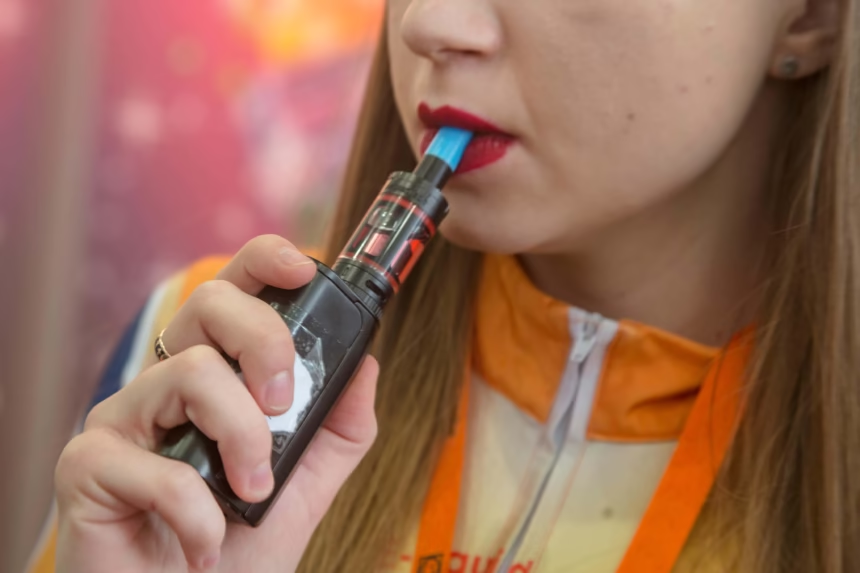
Occasional vaping is a question many people ask, especially those who only vape socially or during special occasions. Some assume that using a vape once in a while is harmless, while others wonder whether even infrequent use carries risks. The answer depends on factors such as whether the vape contains nicotine, your overall health, and your personal reasons for vaping.
If you do not currently use nicotine or tobacco products, health organizations generally do not recommend starting to vape. While occasional vaping may expose you to fewer harmful substances than frequent vaping, it is not risk-free, particularly if the product contains nicotine. Understanding the potential effects can help you make informed decisions.
Among the many disposable devices available today, products like the Fumot 12K Vape are designed for adult users who already choose to vape. These devices offer a high puff capacity, rechargeable functionality, and a wide selection of flavors, making them a popular option in many markets. However, regardless of the device used, occasional vaping should still be approached with awareness of its potential health effects.
What Does Occasional Vaping Mean?
Occasional vaping generally refers to using a vape only from time to time rather than every day. Examples include:
- Vaping only at social events
- Using a vape during weekends
- Taking a few puffs occasionally
- Vaping only while traveling
- Replacing a cigarette once in a while
Although this pattern involves less frequent use than daily vaping, it still exposes the body to the ingredients in the aerosol.
Is Occasional Vaping Safer Than Daily Vaping?
In general, vaping less often is likely to result in lower overall exposure to nicotine and other chemicals than vaping every day. However, “lower exposure” does not mean “no risk.”
If a vape contains nicotine, even occasional use can:
- Expose you to an addictive substance
- Increase your heart rate temporarily
- Cause throat irritation
- Lead to coughing in some users
- Affect people differently depending on individual health
If you do not already smoke or vape, starting occasional vaping is not recommended because it can still lead to nicotine exposure and, for some people, dependence over time.
Does Occasional Vaping Lead to Nicotine Addiction?
Not everyone who vapes occasionally becomes addicted, but nicotine is highly addictive, and there is no guaranteed level of use that is completely free from that risk.
Several factors influence the likelihood of developing nicotine dependence:
- The nicotine strength of the vape
- How often you vape
- Individual biology
- Age
- Previous nicotine use
Someone who only vapes occasionally may remain an infrequent user, while another person may gradually increase how often they vape.
Can You Vape Without Nicotine?
Yes. Some vaping products are available without nicotine. Choosing a nicotine-free product removes the risk of nicotine addiction, but it does not make vaping completely risk-free. The aerosol can still contain substances that may irritate the lungs or airways.
Why Do Some People Vape Occasionally?
People have different reasons for occasional vaping, including:
Social Situations
Some adults vape only when spending time with friends.
Transitioning Away from Smoking
Some smokers use vaping as part of an effort to move away from combustible cigarettes. Health authorities in some countries recognize that switching completely from cigarettes to regulated vaping products may reduce exposure to many harmful chemicals found in cigarette smoke, but dual use (smoking and vaping) offers less benefit.
Curiosity
Some people simply want to try vaping. If you have never used nicotine or tobacco, it is generally better not to start.
How Does Occasional Vaping Affect Your Body?
The effects vary depending on the person and the product, but even occasional vaping may cause:
- Dry mouth
- Mild throat irritation
- Temporary coughing
- Increased heart rate (if nicotine is present)
- Lightheadedness, especially for new users
Most short-term effects are temporary, but repeated exposure over time may have longer-term health implications that are still being studied.
Is Occasional Vaping Better Than Smoking?
For adults who already smoke cigarettes, switching completely to vaping may reduce exposure to many harmful substances produced by burning tobacco. However:
- It is not considered safe.
- The greatest health benefit comes from quitting all tobacco and nicotine products.
- People who do not smoke should not begin vaping.
Choosing a Reliable Device
If an adult already chooses to vape, using products from reputable manufacturers and following the manufacturer’s instructions can help reduce avoidable problems.
The Fumot 12K Vape is one example of a modern disposable vape that offers:
- Approximately 12,000 puffs (depending on individual use)
- Rechargeable battery
- Digital display on some models
- Multiple flavor options
- Compact and portable design
These features improve convenience, but they do not change the health risks associated with vaping or nicotine.
Does Occasional Vaping Harm Your Lungs?
Research continues to examine the long-term effects of vaping. While vaping generally exposes users to fewer toxic substances than cigarette smoke, it can still irritate the respiratory system.
Some users report:
- Sore throat
- Coughing
- Chest discomfort
- Dry airways
If you experience persistent symptoms, you should stop using the product and consult a healthcare professional.
Tips for Adults Who Already Vape
If you already vape, these habits may help reduce unnecessary risks:
- Avoid chain vaping.
- Follow the manufacturer’s charging instructions.
- Stay hydrated if vaping causes a dry mouth.
- Use products from reputable sources.
- Store devices safely away from children and pets.
- Consider lowering nicotine strength over time if your goal is to reduce nicotine use.
Common Myths About Occasional Vaping
Myth: A Few Puffs Can’t Have Any Effect
Even a few puffs can expose you to nicotine and other chemicals if the product contains them.
Myth: Occasional Vaping Cannot Lead to Addiction
While the risk may be lower than with daily use, nicotine addiction can still develop.
Myth: Nicotine-Free Vapes Are Completely Safe
Nicotine-free products avoid nicotine exposure but still involve inhaling aerosol, so they are not risk-free.
Frequently Asked Questions
Is it okay to vape only on weekends?
Vaping only on weekends may reduce overall exposure compared with daily vaping, but it still carries health risks, especially if the product contains nicotine.
Can occasional vaping become a habit?
Yes. Some people remain occasional users, while others gradually vape more frequently over time.
Is nicotine-free vaping safe?
Nicotine-free vaping avoids nicotine addiction but is not considered completely safe.
Should non-smokers vape occasionally?
No. If you do not smoke or use nicotine, health experts recommend that you do not start vaping.
Conclusion
Occasional vaping is generally associated with less overall exposure than daily vaping, but it is not risk-free. If the vape contains nicotine, even infrequent use can expose you to an addictive substance and may cause short-term effects such as throat irritation or an increased heart rate. For people who have never smoked or used nicotine, starting to vape is not recommended.
For adults who already choose to vape, selecting well-made devices such as the Fumot 12K Vape, using them responsibly, and following the manufacturer’s guidance can improve the overall user experience. However, no vaping product should be considered harmless, and the healthiest option remains avoiding tobacco and nicotine altogether.