
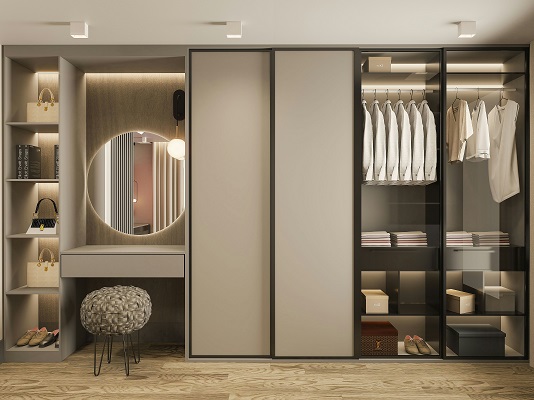
Wardrobe organization is a multifaceted process that involves the systematic arrangement of clothing and accessories to enhance efficiency, ease of access, and personal style. At its core, an organized wardrobe serves as a cornerstone of a streamlined daily routine, allowing individuals to quickly select outfits without the hassle of rummaging through cluttered spaces. This orderliness contributes significantly to a composed lifestyle, minimizing stress during busy mornings. The benefits of having an efficiently organized wardrobe extend beyond mere practicality; they also carry emotional significance. A tidy and well-arranged closet can evoke feelings of satisfaction and calmness, making the experience of getting dressed each day more pleasant. This emotional uplift is particularly important in today’s fast-paced world, where maintaining personal morale can often be challenging. When one’s wardrobe is in disarray, it can lead to frustration, indecision, and a negative impact on one’s self-esteem.
Moreover, a thoughtfully organized wardrobe promotes sustainable fashion choices. By gaining a clearer view of available garments, individuals are more likely to rediscover and wear items they may have forgotten, thereby reducing unnecessary purchases. This practice also encourages the thoughtful selection of clothing based on personal style, fostering a sense of individuality that can enhance one’s overall appearance.
Ultimately, the process of organizing a wardrobe is not merely about eliminating clutter but also about cultivating a personal space that reflects one’s tastes and lifestyle. As we delve deeper into the strategies and tips for wardrobe organization, readers will find practical guidance that aligns with both the emotional and functional aspects of closet management.
Assessing Your Current Wardrobe
To successfully organize your wardrobe, the first step involves a comprehensive assessment of your current garments. This process is essential for effective decluttering, allowing you to better understand what you own and how it aligns with your personal style. Start by sorting your clothing into specific categories such as tops, bottoms, outerwear, activewear, and formal attire. This categorization not only simplifies the evaluation process but also helps you visualize the scope of your wardrobe.
While categorizing, take the opportunity to identify any items that are seldom worn. Consider the last time you wore each piece; if it hasn’t seen the light of day in over a year, it may be time to part ways. Items like outdated trends or ill-fitting garments can contribute to wardrobe clutter and make choosing outfits more challenging. By recognizing these seldom-used pieces, you can make informed decisions on what to keep, donate, or discard.
Moreover, evaluating your wardrobe provides a chance to reflect on your personal style preferences. Ask yourself questions such as, “Does this clothing truly reflect my current style?” or “Is it functional for my lifestyle?” Understanding your evolving tastes allows you to streamline your collection to items that genuinely resonate with your identity, enhancing your day-to-day dressing experience.
For a thorough assessment, try to engage in this review process a few times a year, as your fashion needs may change with seasons, circumstances, or shifts in personal taste. Ultimately, a well-assessed wardrobe is the foundation of an organized system that promotes efficiency and satisfaction in your daily choices.
Decluttering Your Wardrobe
Decluttering your wardrobe is a critical first step in creating an organized space. One effective strategy is the “one-year rule.” This guideline suggests that if you haven’t worn an item in the past year, it may be time to let it go. The rationale is simple; if you haven’t found occasion to wear something in that time, it’s unlikely you will in the future. Begin by categorizing your clothing into sections, such as tops, bottoms, and outerwear. This method will help you visualize the clutter and make decisions easier.
Creating a donation checklist can also aid in the decluttering process. List criteria to evaluate each piece of clothing, such as the item’s condition, how it fits, and whether it reflects your current style. Items that are damaged, no longer fit, or are out of season should be placed in a donation pile. Many charitable organizations welcome gently used clothing, providing a second life to items that no longer serve your wardrobe.
Parting with clothing can be an emotional task. A useful approach is to ask yourself whether an item brings you joy or serves a purpose in your current lifestyle. If the answer is no, then it’s time to consider letting it go. Additionally, you can utilize various online platforms to sell higher-value items. This not only clears physical space but can also yield some financial return.
By actively engaging in these strategies, you will not only declutter your wardrobe but simultaneously simplify the organization process that follows. A streamlined wardrobe allows for easier access to clothing and facilitates better outfit coordination, ultimately enhancing your daily dressing experience.
Choosing the Right Storage Solutions
Effective wardrobe organization begins with selecting appropriate storage solutions tailored to your specific needs. A well-organized wardrobe not only enhances accessibility but also maximizes space, allowing you to make the most of your clothing collection. To achieve this, various organizational tools can be employed, each serving a unique purpose.
First, consider utilizing bins. Bins come in various sizes and materials and are ideal for storing items such as seasonal clothing, accessories, or even shoes. By keeping similar items together in bins, you can easily locate what you need while maintaining a tidy appearance. Labels can also enhance efficiency, ensuring you know the contents of each container without unnecessary rummaging.
Next, hangers are crucial for maintaining the shape of garments while providing a clear view of your clothing collection. Opt for space-saving hangers that allow for a neat arrangement. For delicate items like blouses or dresses, padded hangers can help prevent creases and preserve the fabric quality. Adjustable hangers are also beneficial, accommodating various garments ranging from suits to skirts.
Additionally, drawer organizers play a vital role in optimizing drawer space. Dividers can separate different types of clothing or accessories, ensuring everything is easy to find. Implementing a systematic approach in your drawers not only keeps pieces neatly stacked but also prevents the inevitable chaos that can arise from simply tossing items into a drawer.
Incorporating these storage solutions effectively transforms a cluttered wardrobe into a serene space for personal attire. The right combination of bins, hangers, and organizers can work harmoniously together, ensuring that your wardrobe remains not only functional but also aesthetically pleasing. Maintaining this order will contribute to an enjoyable dressing experience and a more efficient daily routine.
Maximizing Closet Space
Making the most of your closet space is essential, especially in smaller homes or apartments where every inch counts. One effective strategy is to incorporate vertical storage options. By utilizing the height of your closet, you can keep items organized while maximizing available space. Consider adding additional shelving above your existing shelves or using stackable bins that allow you to store seasonal clothing and accessories out of sight.
Another useful tool for optimizing closet space is tiered hangers. These hangers enable you to hang multiple garments in a single vertical space, reducing the amount of horizontal space required. They are particularly effective for items like scarves, ties, or even lightweight tops. By utilizing tiered hangers, you can ensure that your clothing is visible and accessible, preventing the frustration of rummaging through densely packed hangers.
The organization of seasonal clothing is also critical to maximizing space. Consider designating specific bins or boxes for off-season clothing, which can be stored at the top of your closet or in less accessible areas. Be sure to label these containers clearly, so you can easily find what you need when the weather changes. Additionally, using under-bed storage solutions can provide further options for storing out-of-season items, thereby freeing up additional closet space.
Utilizing door space is another often-overlooked component of closet organization. Over-the-door shoe organizers or hooks can serve as an excellent means of storing accessories or small items, keeping them off the floor and within easy reach. By integrating these creative solutions into your closet, you will not only maximize your space but create a more organized and functional environment.
Categorizing Your Clothing
Creating an organized wardrobe starts with a systematic approach to categorizing your clothing. Categorization not only enhances the visual appeal of your wardrobe but also streamlines the process of selecting outfits, saving valuable time in your daily routine. One effective method is to group garments by type, starting with the basics such as tops, bottoms, and outerwear. This categorization enables you to quickly locate specific pieces, which is particularly beneficial during rushed mornings.
Within each type of clothing, consider further organization based on color. Arranging items in a color spectrum can create a visually pleasing display that is both practical and aesthetically appealing. This method allows you to easily mix and match different items, enabling you to create outfits that reflect your personal style. Additionally, sorting by occasion—casual, formal, workwear, and athletic—is another beneficial strategy. By designating specific sections for different occasions, you can swiftly find the appropriate attire for any event.
When categorizing clothing, it may be helpful to evaluate your personal lifestyle and dressing habits. For instance, if you frequently attend formal events, allocate a larger section for formal wear. Conversely, if you prefer a casual aesthetic, ensure that your casual items are easily accessible. By tailoring your organization to fit your lifestyle, you not only improve the efficiency of your wardrobe but also enhance the overall experience of dressing each day. In conclusion, categorizing your clothing into types, colors, and occasions allows for a seamless wardrobe management experience, ultimately simplifying your outfit selection process.
Implementing a Maintenance Routine
Maintaining an organized wardrobe necessitates a systematic approach to ensure that your clothing items remain tidy and functional over time. One effective strategy involves regularly reassessing your clothing items. This can be done biannually, focusing on the changes in personal style, seasonal demands, and wearability of your wardrobe selection. By evaluating each piece, you give yourself an opportunity to make informed decisions about what to keep, donate, or discard. This ongoing assessment is crucial for maintaining an environment that reflects not only your current tastes but also your lifestyle.
Another key aspect of wardrobe organization is establishing a seasonal switch-out routine. At the beginning of each season, take time to rotate your clothing collection. This means transitioning the current season’s clothes to the most accessible areas of your wardrobe, while relocating off-season items to less accessible spaces, such as the back of your closet or a storage bin. This practice not only helps you stay organized but also creates a more manageable selection of garments that corresponds to the climate and seasonal events, making it easier to select an outfit for any occasion.
To further enhance your wardrobe’s organization, integrate reminders for regular decluttering and organization checks into your calendar. Setting aside a specific day each month or quarter to review your wardrobe can prevent accumulation and maintain a streamlined process. Use these scheduled sessions to clean, rearrange, and assess your clothing, while also ensuring that your storage solutions are effective. Over time, these routines will promote the habit of mindful consumption and make your wardrobe a stress-free zone.
Stylish Wardrobe Tips for Outfits and Accessories
Maintaining a stylish and organized wardrobe can significantly enhance your daily clothing choices and overall look. To accomplish this, consider adopting a strategy that balances both aesthetics and practicality. One effective method to elevate your wardrobe organization is by creating a capsule wardrobe. This involves curating a smaller selection of versatile, timeless pieces that can be mixed and matched with ease. By focusing on quality over quantity, you not only simplify your wardrobe but also reduce decision fatigue when getting dressed.
When it comes to accessories, displaying them in an organized fashion can add a decorative element to your space while keeping them functional. Consider installing wall-mounted hooks or hanging organizers for necklaces, scarves, and belts. This approach not only allows for easy access but also transforms your accessories into visually appealing displays. Similarly, utilizing decorative boxes or trays on your dresser for watches, rings, and bracelets can streamline your accessories while keeping them neat.
It is also essential to balance style with functionality in both your clothing and accessory choices. Opt for multifunctional pieces—such as a stylish tote bag that can transition from work to casual outings—ensuring that your items serve practical purposes while enhancing your overall style. Additionally, utilizing clear or labeled bins for storing off-season clothing can help maintain an organized and efficient wardrobe system throughout the year.
Lastly, regularly reassessing your wardrobe is crucial. Periodically evaluating your outfits and accessories allows you to identify what is working and what needs to be refreshed or donated, ensuring your wardrobe remains a reflection of your personal style. By implementing these tips, you can achieve a harmonious organization of both outfits and accessories while showcasing your unique fashion sense.
Final Thoughts and Encouragement
In summation, maintaining an organized wardrobe can have profound effects on not only your daily routine but also your overall mental well-being. By implementing the wardrobe organization tips discussed, you can create a space that is not only visually appealing but also functional. A well-organized wardrobe enables you to easily find and select outfits, which can significantly reduce the stress often associated with getting dressed. Furthermore, an organized wardrobe promotes a sense of order and calmness, enhancing your daily experience.
As you embark on your journey toward wardrobe organization, remember to take it one step at a time. Whether it is categorizing your clothing by season, style, or color, or investing in helpful storage solutions, each small action contributes to the larger goal of attaining an efficient and enjoyable wardrobe. As you begin to see the fruits of your labor, you may find that a more streamlined wardrobe fosters creativity in your clothing choices and helps you embrace your personal style.
We encourage you to embrace these strategies and make them a part of your routine. Enjoy the sense of accomplishment that comes with a tidy wardrobe and the newfound ability to effortlessly coordinate outfits. Keep in mind that organizing is not a one-time act but an ongoing process. Regularly reassess your clothing and make adjustments as necessary to ensure your wardrobe continues to reflect your lifestyle and preferences.
Ultimately, an organized wardrobe is more than just a neat space; it is a reflection of your personality and a tool to simplify your life. Take these tips to heart and transform your wardrobe into a haven of order and inspiration.