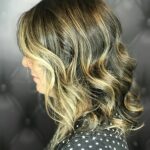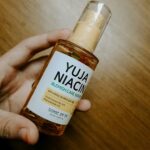

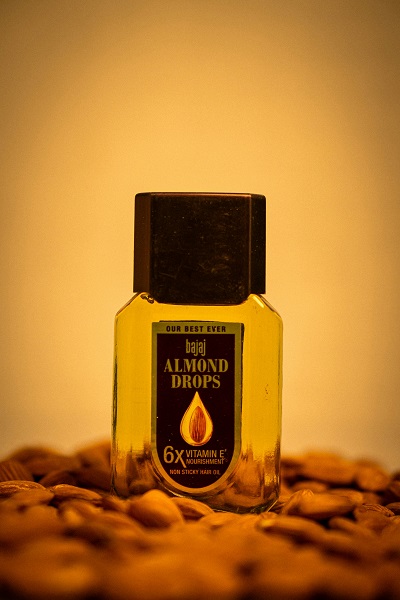
Hair oiling benefits is a time honored practice that has been embraced by various cultures throughout history, serving as a natural remedy to enhance hair health and appearance. This practice involves the application of oils to the scalp and hair strands, with the aim of nourishing and protecting them. Across regions such as India, Africa, and the Middle East, hair oiling has traditionally been an integral part of beauty rituals, often passed down through generations as a reliable method to promote hair strength, growth, and luster. The oils used in this process can vary significantly depending on regional preferences and available resources. Commonly utilized oils include coconut, olive, jojoba, and sesame oil, among others. Each of these oils is rich in vitamins, minerals, and fatty acids, which contribute to the overall health of hair and scalp. Moreover, the practice of hair oiling has deep cultural significance; for example, in Indian culture, it is seen as a nurturing activity that fosters a bond between family members, particularly between mothers and their children.
This blog aims to explore the myriad benefits of hair oiling, outlining its significance in promoting hair vitality and overall wellness. Readers can expect to learn about the different types of oils, the scientific benefits associated with hair oiling, and practical tips on incorporating this practice into their hair care routine. By understanding how hair oiling can improve the quality of hair and contribute to scalp health, individuals can better appreciate this time-tested technique. Overall, this blog serves to highlight the valuable role that hair oiling can play in achieving beautiful, healthy hair and to encourage a return to these traditional practices that have empowered individuals across cultures.
Nourishment and Moisture Retention
Hair oiling has become an integral part of many hair care routines due to its multiple benefits that are crucial for maintaining healthy hair and scalp. One of the primary advantages of hair oils is their ability to deliver essential nutrients directly to the hair and scalp. Oils such as coconut, argan, and jojoba are particularly renowned for their nourishing properties, making them ideal choices for enhancing hair health.
Coconut oil, for instance, is rich in medium-chain fatty acids that penetrate the hair shaft, helping to reduce protein loss and increase moisture retention. This is particularly beneficial for individuals with dry or damaged hair, as it can help restore vitality and shine. Similarly, argan oil, often referred to as “liquid gold,” is packed with vitamins and antioxidants that not only nourish the hair but also protect it from environmental stressors.
Moreover, applying oil to the scalp not only conditions the hair but also stimulates blood circulation, which promotes healthy hair growth. Jojoba oil, due to its unique composition that closely resembles natural scalp sebum, provides moisture without leaving a greasy residue. This quality ensures that hair remains hydrated and healthy without causing buildup on the scalp.
The incorporation of these oils into a regular hair care regimen can lead to improved overall hair texture. Regular oiling helps to prevent dryness, reduces frizz, and enhances the hair’s natural luster. By locking in moisture and providing vital nutrients, hair oils can transform brittle or damaged strands into smooth, manageable locks.
In conclusion, choosing the right hair oils and utilizing them consistently can significantly impact hair health, offering nourishment and improved moisture retention. A suitable oil can enhance texture and protect against dryness, addressing the diverse needs of various hair types effectively.
Strengthening Hair and Reducing Breakage
Hair oiling is a cherished practice that has been utilized for centuries, with substantial benefits for hair health. One of the primary advantages of oiling is its ability to strengthen hair strands and substantially reduce breakage. The foundation of this process lies in the properties of the oils utilized, which serve to coat and protect each hair shaft. Oils such as coconut, olive, and argan are particularly effective due to their unique molecular structures that enable them to penetrate the hair cuticle.
When these oils are applied to the hair, they form a protective barrier, locking in moisture and essential nutrients. This barrier has a dual function: it prevents excessive water loss, which is crucial for maintaining the hair’s elasticity, and it shields the hair from environmental stresses such as UV rays and pollution. Regular application of oils helps in fortifying the hair strands by providing essential fatty acids and vitamins that promote healthy hair growth.
The mechanism by which oiling strengthens hair is closely associated with its ability to reduce friction between hair strands. This diminished friction leads to fewer tangles during brushing or styling, thereby minimizing breakage. Additionally, regular oiling helps to mitigate the effects of damage caused by heat styling tools, as the protective layer provided by oils can absorb and diffuse heat more evenly.
Moreover, incorporating oil into your hair care routine encourages blood circulation to the scalp, which further supports hair growth and strengthens the follicles. With consistent use, oiling not only enhances the overall appearance of hair by adding shine and softness, but it also fortifies the hair structure significantly, resulting in a healthier mane with reduced chances of breakage over time.
Promoting Hair Growth
Hair oiling has long been regarded as a beneficial practice for enhancing the vitality of hair, and one of its prominent advantages is its ability to promote hair growth. This is primarily achieved through improved blood circulation in the scalp and the provision of essential nutrients necessary for healthy hair follicles.
When hair oil is massaged into the scalp, it stimulates blood flow, which ensures that hair follicles receive adequate oxygen and nutrients. This increased circulation can help invigorate dormant hair follicles, potentially leading to enhanced hair growth. In addition to increased blood flow, oils provide various vitamins and fatty acids that contribute to strengthening hair and promoting overall hair health.
Several specific oils are celebrated for their growth-promoting properties. For instance, castor oil has garnered attention due to its high ricinoleic acid content, which is known to improve circulation in the scalp. Additionally, coconut oil is praised for its ability to penetrate the hair shaft, providing deep nourishment and reducing protein loss, thereby enhancing the overall strength of the hair. Moreover, essential oils like rosemary and peppermint have been backed by some scientific studies that suggest their efficacy in promoting hair growth. A study published in the journal “Skin Med” indicated that rosemary oil could be as effective as minoxidil, a common hair growth treatment, when used consistently over time.
In conclusion, incorporating hair oiling into your routine can support hair growth by improving circulation to the scalp and supplying essential nutrients through various beneficial oils. Regular application can help nourish the hair follicles, thus fostering an environment conducive to hair growth and overall hair health.
Improving Scalp Health
Regular hair oiling is a practice that offers numerous benefits, particularly for scalp health. The application of natural oils can significantly help in alleviating dryness, which is often a precursor to various scalp issues, including dandruff. When the scalp becomes dry, it can lead to flakiness and irritation, resulting in discomfort and an unhealthy appearance of the hair. By nourishing the scalp with oil, users can restore moisture levels, leading to improved comfort and scalp integrity.
Various natural oils, such as coconut oil, jojoba oil, and tea tree oil, possess properties that not only hydrate the scalp but also combat issues like fungal infections and inflammation that contribute to conditions such as dandruff. Coconut oil, for instance, has antimicrobial properties that can effectively reduce the presence of organisms responsible for dandruff, thereby leading to a healthier scalp. Jojoba oil, closely resembling the natural sebum produced by the skin, provides essential moisture without leaving a greasy residue, making it a versatile choice for individuals with oily or sensitive scalp conditions.
A healthy scalp is fundamental for optimal hair growth and overall hair health. When the scalp is well-nourished and free from irritation, hair follicles can operate effectively, promoting hair to grow stronger and thicker. Furthermore, consistent oiling can stimulate blood circulation in the scalp, which enhances nutrient delivery to hair follicles. This improves the overall health of the hair, making it appear shinier and more resilient. In addition, a rejuvenated scalp fosters a balanced environment crucial for maintaining hair vitality and minimizing hair loss.
Enhancing Shine and Manageability
One of the notable benefits of regular hair oiling is its profound effect on enhancing the natural shine of hair. Hair is composed of a protein called keratin, and it can often lose its luster due to environmental stressors, heat styling, and chemical treatments. By applying oil to the hair, individuals can restore some of this lost shine, resulting in a healthier and more vibrant appearance. The oils act as a natural conditioner, sealing in moisture and providing a protective barrier against external damage, which ultimately contributes to a glossy finish.
Moreover, the use of hair oils significantly improves manageability. Oily formulations serve to coat the hair strands, making them more pliable and easier to detangle. This is particularly beneficial for individuals with curly or thick hair, as it allows for smoother styling and reduces the time spent on grooming. Oiling can decrease friction between hair strands, which not only helps in effective styling but also minimizes breakage associated with rough handling or combing.
In addition to reducing frizz, regular application of hair oil can help in controlling flyaways and creating a polished look. Oils such as argan, coconut, or jojoba have lightweight textures that absorb well into the hair, imparting a soft sheen without making the hair feel greasy. This results in a more refined appearance while maintaining touchability. The aesthetic benefits of enhanced shine and manageability speak volumes, encouraging more individuals to integrate oiling into their hair care routines.
In conclusion, the practice of hair oiling not only nourishes and strengthens but also offers visible aesthetic enhancements such as a brilliant shine and smoother strands, helping individuals achieve their desired hair goals while transforming their daily hair care regimen.
Natural Protection Against Damage
Hair is subject to various damaging elements in our environment, including pollutants, excessive heat from styling tools, and harmful ultraviolet (UV) rays from the sun. Fortunately, hair oils provide a natural method of protection against these threats. By applying hair oil, you create a barrier that shields the hair shaft and scalp from toxins and environmental stressors, enhancing overall hair health.
Among the plethora of oils available, some are particularly effective in providing this protective layer. Coconut oil, for example, contains lauric acid, which is known for its ability to penetrate the hair shaft and reduce protein loss. This not only strengthens the hair but also prevents damage from styling and environmental factors. Another excellent option is argan oil, rich in antioxidants and vitamin E, which protects against UV damage while adding moisture and shine. Jojoba oil, closely resembling the natural oils produced by the scalp, also contributes to maintaining a healthy moisture balance and can serve as a protective layer against pollutants.
To effectively incorporate these oils into your hair care routine, consider applying them before exposure to damaging conditions. A pre-styling treatment of hair oil can significantly mitigate the potential harm inflicted by heat styling tools. Additionally, using oil as a leave-in conditioner allows for continuous nourishment throughout the day, further enhancing protection against environmental aggressors.
Overall, the integration of hair oils in your daily routine not only aids in preventing damage but also promotes healthier and more resilient hair. By choosing the right oils and applying them strategically, you can enjoy the benefits of natural protection, ensuring your hair remains vibrant and strong.
Different Oils and Their Unique Benefits
Hair oiling is a time-honored practice that has gained popularity due to the multitude of benefits it offers. Various oils possess unique properties, catering to different hair types and concerns. Understanding these distinctions is essential for selecting the right oil for effective hair care.
Coconut oil is widely recognized for its penetrating capabilities, enabling it to deeply moisturize and nourish the hair shaft. This oil is especially beneficial for dry and damaged hair, as it helps reduce protein loss and strengthens the hair structure. In addition to promoting shine and softness, coconut oil also has antimicrobial properties, which can combat scalp issues.
Argan oil, derived from the nuts of the argan tree, is another excellent choice. Rich in fatty acids and vitamin E, it offers exceptional hydration and is particularly effective for styling and reducing frizz. This oil is ideal for individuals with coarse or curly hair, helping to define curls while ensuring that the hair remains manageable and sleek.
Olive oil is increasingly recognized for its versatility and health benefits. It is packed with antioxidants and vitamin E, which enhance scalp health and promote hair growth. Olive oil also acts as a natural conditioner, making it suitable for various hair types, especially those that require added moisture without weightiness.
When selecting the right hair oil, consider your specific hair type and needs. For fine hair, lightweight oils like argan or jojoba oil are recommended, as they provide nourishment without weighing the hair down. On the other hand, individuals with thick or curly hair may benefit more from heavier oils like coconut or olive oil, which penetrate deeply and offer substantial hydration.
How to Properly Oil Your Hair
To maximize the benefits of hair oiling, it is important to adopt a systematic approach tailored to your specific hair type and condition. First, begin by selecting a high-quality oil that suits your needs. Common choices include coconut oil, olive oil, argan oil, and almond oil. Each oil offers unique properties, so understanding their benefits can guide you in selecting the most appropriate one for your hair.
When it comes to the actual application, start with dry or slightly damp hair to facilitate better absorption of the oil. Take a few drops of oil in your palms and rub your hands together to warm it slightly before application. Divide your hair into sections, which allows for more even distribution. Start applying the oil from the roots to the tips, ensuring that you thoroughly coat each strand with oil. Use your fingertips to massage the scalp in circular motions, which stimulates blood circulation and promotes hair growth.
As for the frequency of oiling, a general recommendation is to oil your hair at least once a week. However, individuals with drier hair types may benefit from more frequent applications, possibly even two to three times a week. For those with oily hair, oiling once every two weeks should suffice to avoid excess sebum production. The duration of the oiling session can vary; leaving the oil in for at least an hour can lead to effective results. Alternatively, some individuals prefer to leave the oil overnight, wrapping their hair in a towel or using a shower cap to avoid mess while they sleep.
Incorporating hair oiling into your regular hair care routine offers tangible benefits. Not only does it provide nourishment, but it can also aid in improving overall hair texture. By understanding and applying these techniques, you can tailor your hair oiling practice to complement your unique hair type and enhance its health effectively.
Conclusion: Embrace the Benefits of Hair Oiling
In the pursuit of healthy and vibrant hair, the practice of hair oiling stands out as a time-honored tradition known for its myriad benefits. As discussed, hair oiling not only aids in nourishing the scalp but also minimizes hair fall and enhances overall hair growth. By incorporating quality oils—such as coconut, olive, or almond oil—into your hair care routine, you can provide your strands with essential nutrients and moisture, fostering an environment conducive to healthy hair.
Moreover, hair oiling can significantly improve the elasticity of your hair, thus reducing breakage and fracturing. This is particularly important for individuals with textured or chemically treated hair, as they often experience heightened fragility. The regular application of oils can mitigate dryness, adding a natural shine and softness to your hair, ultimately enhancing its appearance and manageability.
Additionally, the practice of massaging the scalp during oil application promotes blood circulation, which is crucial for stimulating hair follicles. Increased blood flow can lead to healthier and more vigorous hair growth, allowing one to achieve their desired hair density and length over time. This holistic approach not only addresses the physical aspects of hair health but also delves into the emotional, offering a soothing ritual that can alleviate stress and contribute to overall well-being.
Therefore, embracing hair oiling as part of your regular hair care regimen can yield remarkable benefits. By nurturing your hair and scalp with this simple yet effective technique, you can enhance your hair’s health, resilience, and aesthetic appeal. Consider making hair oiling a consistent part of your self-care routine and experience the transformative effects it can offer.