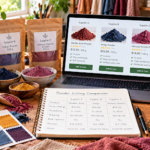

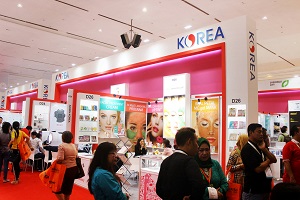
Korean beauty, commonly referred to as K-beauty, has gained immense popularity across the globe in recent years. This trend is characterized by innovative skincare products and practices that prioritize achieving flawless, glowing skin. The K-beauty philosophy is rooted deeply in the cultural values of South Korea, where skincare is not merely a routine but an essential aspect of one’s lifestyle. In Korean culture, there is a significant emphasis on self-care and the overall appearance, making skincare a vital component of personal grooming. The essence of K-beauty lies in its holistic approach to skincare, which encompasses various principles aimed at enhancing the skin’s natural radiance. One of the foundational concepts is the multi-step skincare regimen, which typically includes cleansing, exfoliation, toning, hydration, and sun protection. This extensive routine is designed to nurture the skin from multiple angles, focusing not just on cosmetic enhancements but also on health and moisture. Each step serves a unique purpose, helping to rid the skin of impurities, provide nourishment, and lock in hydration.
Additionally, K-beauty is known for utilizing unique ingredients, often found in nature, such as ginseng, green tea, and snail mucin. These natural components are celebrated for their beneficial properties, including anti-aging benefits and hydration capabilities. The integration of these ingredients highlights the philosophy of using gentle, effective methods to achieve and maintain skin health.
The global fascination with Korean beauty has led to an influx of brands and products entering international markets, making K-beauty accessible to a broader audience. This movement not only reflects changing perceptions about beauty and skincare but also encourages individuals to invest in their skin’s health by embracing comprehensive and well-researched skincare practices.
The 10-Step Korean Skincare Routine
The 10-step Korean skincare routine is central to achieving radiant and healthy skin, reflecting the holistic approach of K-beauty. This comprehensive regimen emphasizes the importance of nurturing and protecting the skin through a series of carefully curated steps.
Initially, the routine begins with double cleansing. The first cleanse typically involves an oil-based cleanser to dissolve makeup and impurities, followed by a water-based cleanser to ensure the skin is thoroughly clean. This method helps maintain a fresh canvas for subsequent products.
Next comes exfoliation, a crucial step that removes dead skin cells, promoting a smoother texture. Exfoliation can be chemical with alpha or beta hydroxy acids or physical with scrubs, depending on your skin type. This step enhances the absorption of the following products.
The third step is toning, which restores the skin’s pH balance after cleansing. Toners can offer hydration and prepare the skin to better absorb essences and serums in later steps.
Moving on, essences serve as a lightweight precursor to serums. They typically contain high concentrations of active ingredients, providing deep hydration and addressing specific skin concerns. Following essences, serums pack a potent dose of targeted treatments for issues like hyperpigmentation and lines, making this a key step.
Sheet masks are often incorporated as an optional but beneficial step for added hydration and treatment. Following this, a moisturizer locks in all previous layers, ensuring the skin remains hydrated and supple.
Finally, sun protection is non-negotiable, as it prevents sun damage and premature aging. A broad-spectrum SPF helps maintain the skin’s health and luminous appearance. With dedication to this multi-step routine, one can achieve the coveted glow associated with Korean beauty.
Key Ingredients for Glowing Skin
In the realm of skincare, particularly in the Korean beauty industry, certain ingredients have gained immense popularity due to their remarkable contributions to achieving glowing skin. Among these, snail mucin stands out as a groundbreaking component, rich in glycolic acid, glycoprotein enzymes, and glycolic acid. This unique secretion promotes skin regeneration, aiding in the reduction of scars and fine lines while enhancing overall texture. Its deeply moisturizing properties make it suitable for various skin types, delivering hydration for a supple appearance.
Another vital ingredient is hyaluronic acid, which serves as a powerful humectant. This naturally occurring substance can hold up to 1,000 times its weight in water, enabling the skin to retain moisture effectively. By incorporating hyaluronic acid into skincare routines, individuals can achieve plump, hydrated skin that exudes a youthful glow. Its lightweight consistency allows for easy absorption, making it a versatile choice for serums and moisturizers.
Green tea, another key element, is renowned for its antioxidant properties. Rich in polyphenols, green tea helps combat oxidative stress and reduces inflammation, contributing significantly to skin health. Its soothing effects make it particularly beneficial for sensitive skin types, providing calming relief while enhancing skin’s overall radiance.
Finally, ginseng, an ancient herb used in traditional Korean medicine, provides multiple benefits for the skin. It stimulates circulation, promotes collagen production, and offers anti-inflammatory effects. This promotes not only a brighter complexion but also improved elasticity, preventing signs of aging. Together, these ingredients embody the essence of Korean skincare, delivering potent benefits for achieving and maintaining luminous, healthy skin.
Sheet Masks: The K-beauty Must-Have
Sheet masks have rapidly gained popularity in the realm of Korean beauty (K-beauty) and for good reason. These convenient skincare products are designed to deliver essential nutrients and moisture to the skin in a concentrated format, making them a staple in many K-beauty routines. Typically made from fabric or hydrogel, these masks are infused with serums that target various skin concerns, providing a quick and effective treatment option.
Various types of sheet masks cater to different skin types and concerns. For instance, hydrating sheet masks are perfect for dry skin, offering intense moisture thanks to ingredients like hyaluronic acid or aloe vera. Brightening masks often contain vitamin C or niacinamide, helping to even out skin tone and enhance radiance. Additionally, there are masks designed for oily or acne-prone skin that include tea tree oil or salicylic acid to help control breakouts and reduce shine. Choosing the right type of sheet mask is essential to achieving the desired effects.
For optimal results, it is generally recommended to use sheet masks two to three times a week, depending on your skin’s needs. Excessive use may lead to over-saturation, while infrequent use might not provide the intended benefits. When selecting a sheet mask, consider your specific skin type: if you have sensitive skin, look for masks that are fragrance-free and contain soothing ingredients like chamomile or green tea. In contrast, if you’re striving for anti-aging effects, masks enriched with peptides or collagen may be more suitable.
Incorporating sheet masks into your K-beauty regimen can elevate your skincare routine and contribute towards achieving that coveted, glowing skin. Remember, consistency is key, and understanding your skin’s unique needs will guide you to the best products.
Importance of Hydration and Moisture
Hydration is a cornerstone of the Korean beauty (K-beauty) philosophy, which emphasizes the essential role that moisture plays in achieving healthy, glowing skin. In K-beauty, the pursuit of radiant skin is deeply rooted in the belief that maintaining a well-hydrated skin barrier is crucial for enhancing overall skin texture and luminosity. Dehydrated skin can lead to various issues, including dullness, fine lines, and uneven texture, which can detract from the desired youthful glow.
Various hydration products, such as essences and serums, are integral to Korean skincare routines. Essences are typically lightweight formulations that contain a high concentration of active ingredients aimed specifically at boosting moisture levels. These products penetrate deeply into the skin, providing long-lasting hydration. Similarly, serums, which often have a thicker consistency, can deliver targeted hydration alongside other benefits like brightening or anti-aging effects. It is essential to choose products formulated for your specific skin type to maximize their efficacy.
Applying hydration products correctly is just as crucial as choosing the right ones. After cleansing, the application of essences should be done while the skin is still damp to enhance absorption. Following this, serums can be layered to lock in the moisture. The K-beauty philosophy encourages a multi-layered approach to hydration, where multiple products are used considering both texture and ingredient compatibility. This not only ensures the skin receives adequate moisture but also allows for a synergistic effect, enhancing overall skin health and radiance.
In conclusion, hydration is a vital aspect of K-beauty, and its significance cannot be overstated. By understanding the types of hydration products available and applying them effectively, one can achieve the glowing skin that is the hallmark of this beauty philosophy.
Exfoliation Techniques and Products
Exfoliation is an essential part of the Korean beauty (K-beauty) regimen, celebrated for its ability to enhance skin texture and promote a radiant complexion. Understanding the various exfoliation methods can help individuals select the best fit for their skin type and concerns.
There are two primary categories of exfoliants: physical and chemical. Physical exfoliants, often found in scrubs or pads, contain granules that manually slough off dead skin cells. However, caution is warranted, as harsh scrubbing can lead to irritation or micro-tears in the skin. Gentle physical exfoliants, such as those with fine granules or soft brushes, are recommended for effective yet safe exfoliation.
Chemical exfoliants include products containing Alpha Hydroxy Acids (AHAs) and Beta Hydroxy Acids (BHAs). AHAs, such as glycolic acid, function on the surface of the skin to exfoliate dead skin cells, thereby improving skin tone and texture. Conversely, BHAs, primarily salicylic acid, penetrate deeper into the pores, making them suitable for those with oily or acne-prone skin. These chemical exfoliants can be incorporated into the skincare routine in the form of serums, toners, or masks and should be used a couple of times a week for optimal results.
Another innovative approach popular in K-beauty is the use of enzyme powders. These are gentle, starch-based powders that activate upon contact with water. Enzyme powders contain natural enzymes from fruits such as papaya or pineapple, which effectively exfoliate without the aggressive scrubbing associated with physical exfoliants. They can be used as part of a daily cleansing routine, providing a mild but effective way to maintain smooth skin.
To incorporate exfoliation into a skincare routine, it is vital to consider your skin’s sensitivity and choose appropriate exfoliation methods. Start slowly to assess how the skin reacts to various products. For individuals with sensitive skin, it may be beneficial to limit exfoliation to once or twice a week. Keep in mind that consistency is key for achieving that coveted Korean glow.
Sunscreen: Protection for Glowing Skin
In the realm of Korean skincare, sunscreen occupies a pivotal role, serving as a fundamental element that supports skin health and enhances radiance. This emphasis on sun protection is deeply ingrained in Korean beauty philosophy, where the goal extends beyond mere appearance to encompass overall skin wellness. It is essential to understand that UV rays can penetrate the skin even on overcast days, making the consistent application of sunscreen indispensable regardless of weather conditions.
There are predominantly two types of sunscreens available in the market: chemical and physical (or mineral) sunscreens. Chemical sunscreens function by absorbing UV radiation through their chemical ingredients, effectively converting it into heat, thus preventing skin damage. They tend to have a lightweight texture and often provide a more cosmetically appealing finish for many users. Common active ingredients in chemical sunscreens include avobenzone, octisalate, and octocrylene.
On the other hand, physical sunscreens contain active mineral ingredients such as zinc oxide and titanium dioxide, which work by sitting on top of the skin to reflect and scatter harmful UV rays. While they tend to be thicker and may leave a slight white cast, they are often recommended for sensitive skin types due to their gentler formulation. Furthermore, physical sunscreens offer the advantage of immediate protection upon application, as they do not require time to absorb into the skin.
Both types of sunscreens are effective in safeguarding the skin from harmful UV exposure, thus contributing to a luminous complexion while preventing premature aging and hyperpigmentation. Selecting the appropriate sunscreen based on individual skin type, lifestyle, and environmental factors is crucial for achieving and maintaining glowing skin. Regularly applying sunscreen not only protects the skin barrier but also supports the overall Korean skincare regime aimed at lasting beauty.
Diet and Lifestyle for Radiant Skin
The pursuit of glowing skin is integral to the Korean beauty philosophy, emphasizing that a well-rounded diet and lifestyle choices significantly influence skin health. The traditional Korean diet, rich in vegetables, fermented foods, and healthy fats, plays a crucial role in achieving and maintaining radiant skin. Foods such as kimchi, which is packed with probiotics, help balance gut health, thereby enhancing the skin’s natural glow. Additionally, incorporating a variety of colorful fruits and vegetables, such as berries and leafy greens, provides essential vitamins and antioxidants that combat oxidative stress and promote cellular repair.
Hydration is another cornerstone of the Korean approach to skin health. It is widely acknowledged that drinking sufficient water not only quenches thirst but also keeps the skin supple and elastic. Herbal teas, which are common in Korean diets, can also contribute to hydration while offering additional health benefits. Seaweed is another dietary staple that is high in minerals and hydration, further supporting the skin’s moisture barrier.
Adequate sleep is equally vital for skin rejuvenation and repair. The body undergoes significant restorative processes during sleep cycles, and a lack of sufficient rest can manifest as dullness and uneven skin tone. Therefore, prioritizing a consistent sleep schedule can significantly impact skin radiance.
Lastly, managing stress is essential for promoting healthy skin. Elevated stress levels can lead to skin conditions such as acne or eczema. Practices such as mindfulness, yoga, or meditation align with the Korean lifestyle philosophy and are encouraged to create a balanced state of mind. This holistic approach to diet and lifestyle is fundamental in achieving and sustaining a healthy, luminous complexion.
Conclusion and Final Thoughts
Throughout this blog post, we have explored the distinctive aspects of Korean beauty that contribute to achieving glowing skin. At the heart of the Korean skincare routine lies a holistic approach that emphasizes not only the physical application of products but also the overall well-being of the individual. By incorporating techniques such as double cleansing, careful exfoliation, and the application of hydrating serums and moisturizers, individuals can foster a consistent skincare regimen that promotes luminous skin.
Moreover, the significance of tailored products in K-beauty cannot be overstated. Korean cosmetics often focus on natural ingredients and unique formulations that cater to specific skin concerns, thereby offering a more personalized experience for users. This level of customization encourages individuals to pay attention to their skin’s needs and to be more mindful in their skincare choices. Alongside proper hydration, nourishing masks, and targeted treatments, the integration of sunscreen into daily routines is essential for protecting the skin from harmful UV rays and preventing premature aging.
Additionally, adopting a healthy lifestyle, including nutritional choices, adequate hydration, and stress management practices, plays a pivotal role in skin health. Korean beauty traditions emphasize balance and self-care, making it clear that glowing skin is a reflection of overall health and wellness.
In conclusion, we encourage readers to embrace the diverse secrets of K-beauty and to experiment with these techniques in their own skincare routines. By doing so, one can cultivate not only a radiant complexion but also a deeper appreciation for the art of skincare. The journey to glowing skin is about dedication, patience, and a willingness to explore the rich tapestry of beauty practices that Korean culture offers.