
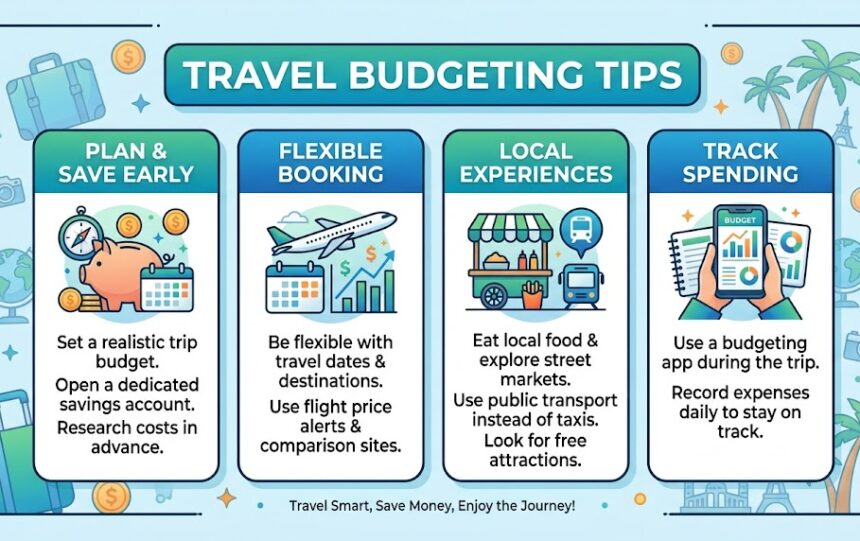
Creating a detailed travel budgeting tips is a crucial step for any solo traveler aiming to explore the world without exceeding $1000. This budget serves as a guideline to manage expenses effectively while ensuring an enjoyable travel experience. To begin, it is vital to estimate key costs such as accommodation, transportation, food, activities, and any unforeseen expenses.
Accommodation costs can vary significantly based on the destination and the type of lodging chosen. Consider options like hostels, budget hotels, or even short-term rentals, which can reduce overhead. Allocate a portion of your budget towards finding affordable options, potentially using booking platforms that provide discounts. When setting your transportation budget, prioritize finding the least expensive modes of travel, whether by bus, train, or budget airlines. Mapping out potential transportation routes can also help in estimating these costs more accurately.
Food is often one of the significant expenses while traveling. Opting for local eateries or street food instead of premium restaurants can provide a more authentic experience at a lower price. It is advisable to allocate a daily food budget, considering both meals and snacks. For activities, focus on experiences that resonate with your interests or those that are worth the investment, such as guided city tours or local attractions.
Do not underestimate the importance of planning for unforeseen expenses, such as emergencies or last-minute changes in itinerary. Setting aside a contingency fund can be incredibly beneficial; a common recommendation is to allocate about 10-15% of your total budget for this purpose. To assist in managing your finances, consider utilizing budgeting tools and apps. Many of these applications allow users to track spending in real-time, ensuring better adherence to the established budget while traveling.
Finding Affordable Accommodation and Transportation
For solo travelers seeking to stay under a budget of $1000, finding affordable accommodation is crucial. Several options cater specifically to budget-conscious travelers. Hostels are one of the most cost-effective choices. They typically offer dormitory-style living, which allows you to meet fellow travelers, share experiences, and save money on lodging. Guesthouses and homestays present another value-oriented alternative, offering a more personalized experience while usually being more affordable than hotels. Websites like Hostelworld, Airbnb, and Booking.com can help identify these budget-friendly places, often providing user reviews to guide your choice.
Furthermore, location plays a vital role in accommodation pricing. Staying slightly outside major attractions can yield savings while still providing easy access to transportation. Utilizing fare comparison websites can be a game-changer when it comes to booking flights and trains. Sites like Skyscanner or Google Flights allow travelers to compare prices across multiple platforms, ensuring the best deals. Flexibility with travel dates often leads to significant savings; mid-week flights tend to be cheaper than weekend ones. Additionally, considering alternative airports can sometimes yield better rates and fewer crowds.
Upon reaching your destination, public transportation typically offers the most economical means of getting around. Familiarize yourself with local transit options—subways, buses, and trams are usually inexpensive and efficient. Many cities offer day passes that provide unlimited travel for a set number of hours. This strategy not only saves money but also allows you to explore more areas without worrying about transportation costs. By utilizing these accommodation and transportation tips, solo travelers can effectively minimize expenses, thereby maximizing their travel experiences.
Saving on Food and Activities While Traveling Solo
Traveling solo can be a rewarding experience, especially when it comes to exploring new culinary delights and engaging in local activities. However, staying within a travel budgeting tips often requires strategic planning, particularly when it comes to food and entertainment. To truly enjoy local cuisine without stretching your finances, consider making local markets your go-to option for meals. These markets typically offer fresh produce and specialties at prices far lower than most restaurants.
Additionally, sampling street food can be an exciting way to experience authentic flavors while saving money. Street vendors often provide delicious and unique culinary options at affordable prices. Don’t hesitate to ask locals for their recommendations; this not only enriches your culinary experience but also ensures you are spending your money wisely. If dining in a restaurant is on your itinerary, look for budget-friendly eateries or those that offer lunch specials, which tend to be cheaper than dinner menus.
Moreover, taking advantage of free or low-cost activities can significantly enhance your travel budgeting tips experience without putting a dent in your wallet. Many cities offer free walking tours, where you can explore the sights and learn about the culture from knowledgeable guides. Check if there are days when museums offer discounted or free entry; these opportunities can allow you to experience art and history for little or no cost. Nature walks, hiking trails, and local parks also provide wonderful opportunities to enjoy the scenery without any expenses.
By adopting these strategies, you can immerse yourself in the local culture, relish diverse flavors, and partake in various activities while consciously managing your budget. The goal is to make the most of your solo adventure without compromising on experiences, all while keeping your expenditures under control.
Safety Tips and Staying Connected on a Budget
Traveling solo can be a rewarding and enriching experience, but it is essential to prioritize safety, especially when exploring unfamiliar places. One of the first steps in ensuring your safety is to thoroughly research your destination before arriving. Understanding the local culture, customs, and potential safety concerns can help you navigate your surroundings more confidently. Additionally, always remain aware of your environment; avoid distractions such as excessive device usage in public spaces.
When venturing out, maintain a list of emergency contacts and the local emergency services numbers. Consider using a personal safety app that allows friends or family to track your location and share your itinerary. If you find yourself in a situation where you feel uncomfortable, trust your instincts—leave the area or seek assistance. Being proactive about safety can significantly enhance your travel experience.
Staying connected while on a travel budgeting tips is increasingly feasible in this digital age. Many cities offer free Wi-Fi in public areas, such as parks, cafes, and libraries, allowing you to stay in touch with loved ones and access vital information without incurring additional costs. Additionally, utilizing offline maps can be invaluable. Downloading maps before your trip can help you navigate effortlessly, even when connectivity is limited.
Another critical aspect of traveling safely is having travel insurance. This coverage can protect you from unexpected events, such as unforeseen medical emergencies, cancellations, or lost belongings. Evaluating different policies financially can help you find a plan suited to your needs without exceeding your travel budget.
Finally, making friends while traveling is a fantastic way to enrich your experience. Ensuring you do so safely involves selecting meet-up spots in public areas, being cautious about sharing personal details, and arranging transportation responsibly. In conclusion, adhering to these safety tips can provide peace of mind and enhance your travel adventures while keeping costs manageable.