
Fast fashion has changed how people shop, dress, and follow new clothing trends. Affordable prices and frequent collections make it easier to experiment with different outfits without spending too much. However, the industry also raises questions about clothing quality, waste, and responsible shopping habits. Understanding fast fashion helps you make informed choices and create outfits that work for your lifestyle.
Looking stylish does not require buying something new every week. With thoughtful shopping, creative styling, and proper clothing care, you can make everyday outfits feel fresh while getting more use from the items you already own.
What Is Fast Fashion and How Does It Work?
Fast fashion is a clothing business model that produces trendy garments quickly and sells them at relatively affordable prices. Brands follow popular styles from fashion shows, social media, and consumer demand. They introduce new collections frequently to encourage regular shopping. This approach makes current fashion trends accessible to a wider range of customers.
Traditional fashion companies often develop collections months before the clothing reaches stores. Fast fashion retailers shorten this process by using rapid production, flexible supply chains, and frequent product launches. Some companies introduce hundreds of new designs throughout the year. As a result, shoppers can find clothing inspired by emerging trends much sooner than before.
Although affordable clothing can be useful, fast fashion also creates concerns about environmental impact and working conditions. Producing large amounts of clothing requires materials, energy, water, and transportation. Short product lifespans can contribute to textile waste when garments are quickly discarded. Understanding these challenges helps consumers make more thoughtful decisions without feeling pressured to replace their entire wardrobes.
Why Is Fast Fashion So Popular?
One major reason fast fashion remains popular is its affordability. Many shoppers want fashionable clothing without paying premium prices for every item. Fast fashion brands offer accessible options for school, work, casual outings, and special occasions. This flexibility allows people with different budgets to explore current styles while purchasing clothes that suit their immediate needs.
Social media also influences how quickly fashion trends become popular. Fashion creators share outfit inspiration, styling ideas, and seasonal collections across digital platforms. When a particular design attracts attention, retailers may respond by offering similar items. This constant exposure can make new trends feel exciting, although shoppers do not need to follow every change.
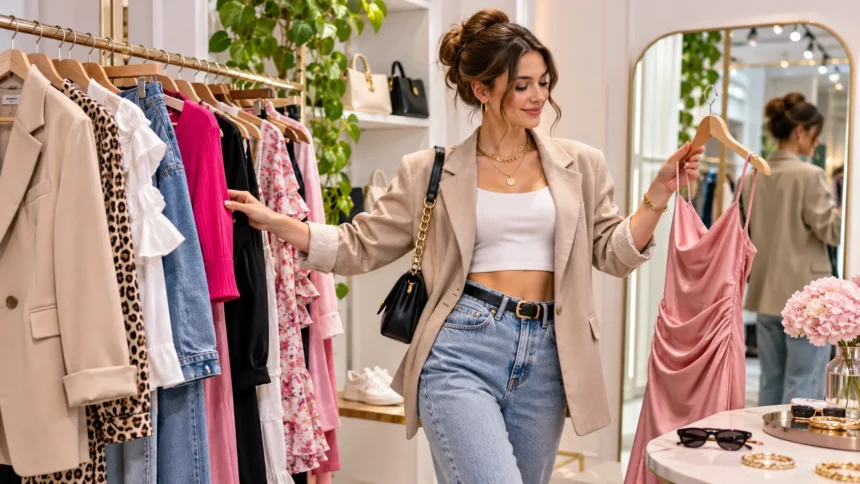
Convenience is another important factor behind the growth of fast fashion. Online stores provide extensive clothing collections, size options, customer reviews, and home delivery services. Shoppers can compare different products without visiting several physical stores. However, convenient purchasing can also encourage impulse buying, making it helpful to consider whether an item will actually be worn.
Benefits and Drawbacks of Fast Fashion
Fast fashion offers several practical benefits, especially for people shopping on limited budgets. Affordable clothing can help someone find an outfit for an event or replace an essential garment. Frequent collections also provide different colors, designs, and seasonal choices. These options can make fashion experimentation easier without requiring a large financial commitment.
However, low prices do not always reflect the full cost of clothing production. Some garments may use materials or construction methods that wear out relatively quickly. The industry’s rapid production model can also create environmental pressures and labor concerns. Quality varies between products, so shoppers should examine individual garments rather than assuming everything from one retailer is identical.
Another drawback is the pressure to keep purchasing new items as trends change. Constant promotional messages can make perfectly usable clothing seem outdated. This cycle may lead to crowded wardrobes and unnecessary spending. A more balanced approach involves recognizing the advantages of affordable fashion while choosing pieces that serve a genuine purpose and remain useful over time.
How to Shop for Fast Fashion More Thoughtfully
Thoughtful shopping begins by understanding what your wardrobe actually needs. Before buying something, check whether you already own an item that serves the same purpose. Consider the places you regularly visit and the clothing you feel comfortable wearing. This simple habit helps you select useful garments instead of purchasing items only because they are discounted.
Creating a flexible shopping budget can also make clothing purchases easier to manage. Decide which items deserve priority, such as comfortable everyday trousers, reliable outerwear, or frequently worn shirts. You can then leave room for occasional trend-based purchases. A clear budget encourages intentional decisions without suggesting that affordable clothing is automatically a poor choice.
Product reviews and detailed descriptions can provide useful information before purchasing online. Look for comments about fabric texture, garment construction, washing results, and sizing consistency. Customer photographs may also help you understand how an item looks in ordinary lighting. Because reviews represent individual experiences, compare several opinions rather than relying on one unusually positive or negative rating.
Choose Fabrics and Construction That Last
Fabric selection can influence how comfortable clothing feels and how well it handles regular use. Cotton, linen, polyester, viscose, and blended materials all have different characteristics. Some fabrics breathe easily, while others resist wrinkles or dry quickly. The best choice depends on the garment’s purpose, the weather, and how much maintenance you prefer.
When shopping in person, examine seams, stitching, buttons, and fabric thickness. Secure stitching and well-attached details can indicate more careful construction, although appearance alone cannot guarantee durability. Check whether the garment feels comfortable during normal movement. A thoughtfully constructed item is often more useful than something purchased simply because its design is currently popular.
Fabric care requirements deserve attention before making a purchase. Some materials need gentle washing, careful drying, or additional ironing to remain in good condition. If these requirements do not match your routine, the garment may become inconvenient to maintain. Choosing clothing that fits your everyday habits makes regular wear easier and supports a longer useful lifespan.
Find Clothing That Fits Comfortably
Finding a comfortable fit is one of the simplest ways to make clothing more enjoyable to wear. Different brands use different sizing systems, so the same label may not fit consistently. Focus on how a garment feels when sitting, walking, and moving naturally. Clothing should support your activities without creating unnecessary discomfort or restricting normal movement.
Online size charts can help you choose between available options. Compare the listed garment measurements with clothing you already own and enjoy wearing. Pay attention to descriptions such as relaxed, regular, oversized, or fitted because these indicate different design intentions. When possible, check whether the retailer provides measurements for individual garments instead of only general size categories.
Small adjustments can make existing clothing more practical without requiring replacement. Hemming trousers, moving a button, or shortening sleeves may improve comfort and convenience. Simple alterations can also help you continue wearing an item after your styling preferences change. The goal is to make clothing work for you, rather than feeling obligated to match a particular fashion standard.
How to Style Fast Fashion With Timeless Basics
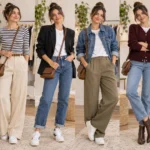
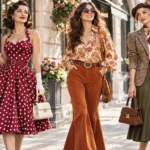
Combining trendy garments with simple wardrobe staples creates outfits that remain versatile across different occasions. For example, a colorful seasonal shirt can work with plain trousers and comfortable sneakers. A patterned skirt may pair easily with a neutral top. These combinations allow one noticeable item to stand out without requiring several new purchases.
Neutral clothing can provide a useful foundation because many colors and patterns work alongside it. Black, white, navy, beige, and gray are common examples, but they are not mandatory choices. You can also build a consistent wardrobe around your favorite colors. What matters most is selecting combinations that you enjoy wearing and can use repeatedly.
Accessories offer another way to refresh familiar outfits. A scarf, belt, bag, or pair of shoes can change the overall mood of the same clothing combination. For example, a simple shirt and trousers may feel more formal with structured accessories. Experimenting with accessories you already own can provide variety without constantly buying additional garments.
Wear Trendy Clothing in Different Ways
A useful way to approach fashion trends is to choose pieces that work with several existing outfits. Before purchasing a trendy jacket, imagine wearing it with different trousers, shirts, or dresses. If you can create multiple comfortable combinations, it may be a practical addition. This approach gives new clothing a clearer purpose beyond one particular photograph or occasion.
Layering can also make seasonal clothing more versatile throughout the year. A lightweight shirt may work alone in warmer weather or underneath a cardigan when temperatures fall. Dresses can sometimes be styled with jackets or other comfortable layers for different settings. Always consider local weather and fabric suitability so the final outfit remains practical.
Repeating outfits is a normal and useful part of developing personal style. You do not need a completely new combination for every gathering or photograph. Changing one element, such as footwear or an outer layer, can create variety from familiar pieces. Wearing clothing repeatedly also allows you to discover which combinations genuinely suit your routine.
Build a Wardrobe That Works Together
A practical wardrobe begins with clothing that matches your daily activities and personal preferences. Someone who spends most days in a casual environment may need different essentials from someone with a formal dress code. Start by identifying the garments you regularly wear and enjoy. These items can guide future purchases more effectively than seasonal trend lists.
A capsule wardrobe is one approach to organizing versatile clothing around items that work together. It does not require owning a specific number of garments or choosing only neutral colors. Instead, the idea is to make outfit planning simpler through useful combinations. You can adapt this approach to your budget, climate, cultural preferences, and favorite clothing styles.
Wardrobe organization also makes it easier to notice items that are being overlooked. Arrange clothing by category, season, or frequency of use according to your available space. When you can see what you already own, planning outfits becomes more convenient. This habit may also prevent duplicate purchases and help you recognize which clothing categories genuinely need attention.
How to Care for Fast Fashion Clothing
Proper clothing care can extend the useful life of many everyday garments. Begin by reading the care label before washing, drying, or ironing an item. Different fabrics respond differently to heat, moisture, and agitation. Following suitable washing instructions helps reduce avoidable shrinking, fading, and damage, although normal wear will still occur over time.
Washing clothing only when needed can also reduce unnecessary fabric wear. Some garments require cleaning after each use, while others can be worn again when they remain fresh and hygienic. Using appropriate water temperatures and avoiding excessive detergent may help maintain fabric quality. Drying methods should follow the garment’s instructions to reduce the risk of damage.
Simple repairs can make a surprising difference to clothing longevity. A loose button, small seam opening, or damaged hem does not always mean a garment needs replacing. Basic sewing skills or affordable alteration services can restore useful items. When clothing is no longer wearable, consider suitable textile collection or recycling options available in your area.
Make More Responsible Fashion Choices
Responsible fashion does not require replacing every affordable item with expensive alternatives. A practical starting point is to wear existing clothing longer and purchase replacements when genuinely needed. Choosing useful garments over repeated impulse purchases may help reduce unnecessary consumption. Even small adjustments can make shopping habits more consistent with personal budgets and environmental concerns.
Secondhand shopping, clothing swaps, and borrowing suitable items are additional ways to explore different styles. These options can provide access to unique clothing without always requiring newly manufactured garments. Availability varies by location, so they may not work for every shopper. Choosing secondhand is one possibility among several thoughtful approaches rather than an obligation.
It can also be helpful to learn how clothing companies describe their materials, production practices, and worker protections. Look for specific, verifiable information instead of assuming that broad sustainability claims guarantee responsible production. Affordable prices alone do not establish whether a garment was made ethically. Better decisions come from combining available information with realistic personal circumstances.
Conclusion
Fast fashion provides affordable clothing and convenient access to changing styles, but it also presents challenges involving quality, waste, and production practices. Understanding these trade-offs helps shoppers approach trends more thoughtfully. The goal is not to avoid every inexpensive garment. Instead, it is to recognize which purchases will provide genuine value in everyday life.
Wearing fast fashion well begins with comfortable clothing, useful combinations, and personal creativity. Mixing seasonal pieces with existing wardrobe essentials can produce versatile outfits without constant shopping. Proper care and simple repairs may also help garments remain wearable longer. These habits support a more practical relationship with fashion and reduce pressure to follow every trend.
Ultimately, personal style develops through experience rather than repeated purchases. Choose clothing that suits your activities, budget, and preferences while considering how often you will wear it. There is no single perfect wardrobe or shopping method for everyone. Thoughtful decisions can make fashion more enjoyable, accessible, and responsible over time.
FAQs
What is fast fashion in simple words?
Fast fashion means producing and selling trendy clothing quickly, usually at relatively low prices. Brands frequently introduce new collections based on popular styles, encouraging shoppers to explore and purchase changing designs.
Is fast fashion always poor quality?
No, clothing quality varies between brands and individual products. Some affordable garments last through regular use, while others wear out quickly. Fabric, stitching, construction, and proper care all influence durability.
How can I wear fast fashion more responsibly?
Buy clothing you expect to wear regularly, combine it with existing wardrobe pieces, and follow suitable care instructions. Repairing useful garments and considering secondhand alternatives can also reduce unnecessary purchases.
Can fast fashion clothing look stylish?
Yes, affordable clothing can be styled into creative and practical outfits. Combining trendy pieces with simple basics, experimenting with colors, and choosing comfortable fits can help you develop a distinctive personal style.
What is the difference between fast fashion and slow fashion?
Fast fashion focuses on rapid production and frequent clothing collections. Slow fashion generally emphasizes thoughtful purchasing, longer garment use, and responsible production, although individual brands and products can differ significantly.