

Introduction
Mobile sales representatives spend much of their workday outside a traditional office. They may visit clients, travel between job sites, attend demos, carry samples, review documents, and respond to questions on the spot. Because their workspace changes constantly, organization becomes a major part of professionalism.
A good site-visit toolkit is not just about carrying more things. It is about having the right essentials ready when they are needed. When a representative arrives prepared, the meeting feels smoother, the client feels more confident, and the sales conversation becomes easier to manage.
Build Around the Type of Visit
Not every sales visit requires the same setup. A product demonstration may need samples and printed materials. A consultation may require measuring tools, forms, and a tablet. A follow-up visit may only need documents and a few reference items.
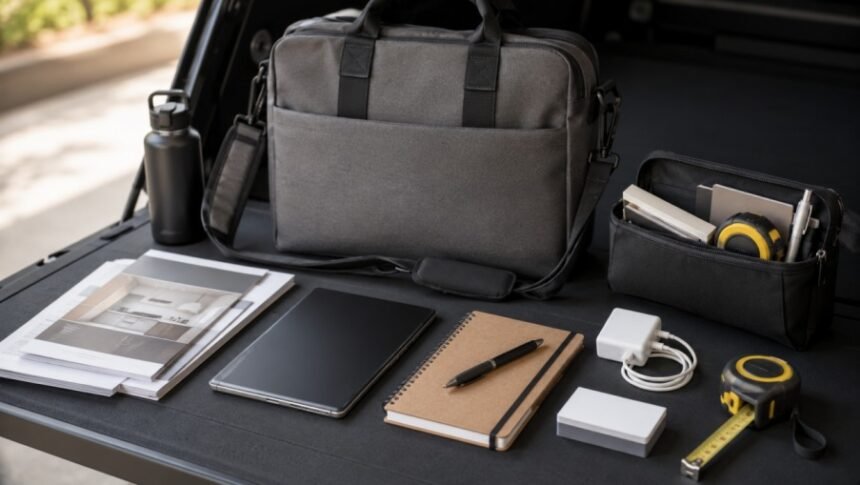
Before building a toolkit, sales representatives should identify the items they use most often. These may include business cards, brochures, samples, tablet, charger, notebook, pen, measuring tape, product sheets, quote forms, and small repair or demo tools.
A reliable carry option matters because these items need to stay organized between visits. Many professionals use Custom Tote Bags for work-related carrying because they offer flexible space without looking too casual when chosen carefully.
Separate Client-Facing Materials From Backup Supplies
A common mistake is mixing everything together. Client-facing materials should be clean, easy to reach, and presentable. Backup supplies can stay in a separate section or pouch.
For example, brochures, samples, and business cards should be protected from stains, bent corners, and clutter. Extra pens, tape, chargers, snacks, and personal items should not be mixed with materials that will be handed to the client.
This separation helps the representative look more professional during the meeting. No one wants to dig through receipts and cables to find a product sheet.
Choose a Work Bag That Supports Movement
A mobile sales role often involves walking from parking lots to offices, entering job sites, or moving through large buildings. A bag should be comfortable enough to carry and structured enough to protect important materials.
For professionals comparing practical options, an Affordable Work Tote Bags Guide can help identify features that matter, such as size, handle comfort, structure, and everyday durability.
The ideal work bag should hold the essentials without becoming too heavy. It should also look appropriate for client meetings and not feel like an afterthought.
Keep a Standard Reset Routine
Because sales representatives move often, the toolkit should be reset after every visit. This prevents missing brochures, dead chargers, empty sample slots, or messy notes from carrying into the next appointment.
A basic reset may include:
- Restocking business cards
- Replacing used forms
- Charging devices
- Removing trash or receipts
- Reviewing meeting notes
- Checking samples for damage
This routine only takes a few minutes, but it prevents small problems from affecting future visits.
Prepare for Unexpected Questions
Clients often ask questions that require quick reference. A sales representative should be ready with product comparisons, pricing notes, case studies, color options, or service details. These resources can be printed, digital, or both.
The toolkit should make these references easy to access. If a client asks for a specification and the representative can answer confidently, it builds trust.
Keep the Toolkit Professional but Human
Preparedness should not feel stiff. A good sales toolkit supports the conversation rather than turning the meeting into a scripted presentation. The representative should still listen carefully, ask questions, and adjust to the client’s needs.
The right tools simply make that easier. They reduce stress and allow the salesperson to focus on the relationship.
Conclusion
A professional toolkit helps mobile sales representatives stay organized, confident, and ready for site visits. By choosing the right essentials, separating materials clearly, using a practical work bag, and resetting after each meeting, representatives can create a smoother experience for themselves and their clients.
In mobile sales, preparation is part of the impression. A well-managed toolkit shows reliability before the conversation even begins.